
What Big Ben Actually Refers To
Gordon Thom • November 9, 2026
If you ask me to drop you at Big Ben, I know exactly where you mean. But the landmark you can see from the cab and the thing that bears the nickname are two different things.
Big Ben is the Great Bell inside the Elizabeth Tower at the Palace of Westminster. The clock faces tell you the time. The Great Bell sounds the hour, while smaller bells sound the quarters.
Walk onto Westminster Bridge and look back at the clock face. Then, if you’re there on the hour, listen. You can see the tower from halfway across the river, but the part called Big Ben is the one you hear.
Gordon Thom, London black cab driver and City of London Guide
London Taxi Tour (LondonTaxiTour.Com)
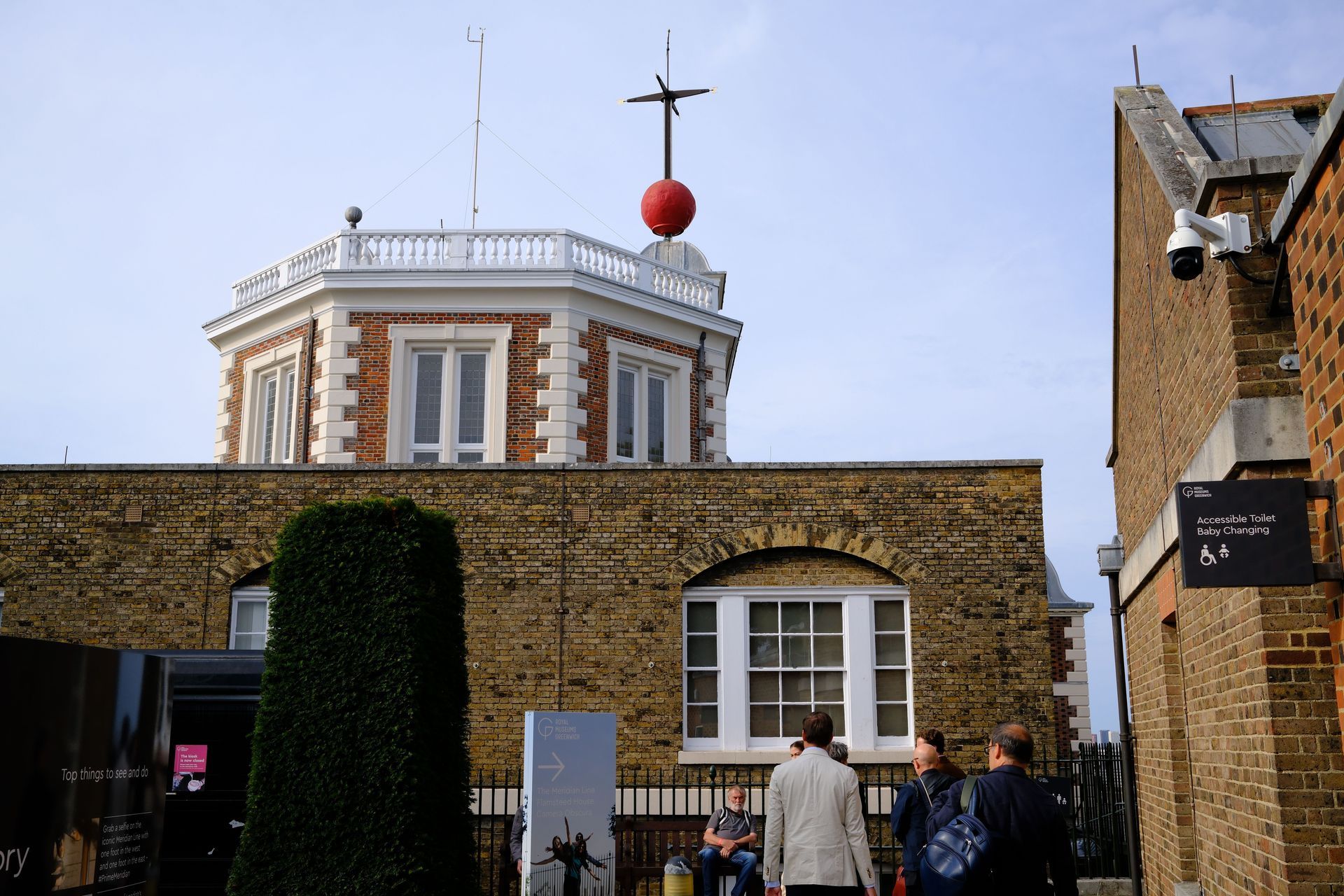
Look up at the Royal Observatory from Greenwich Park and you’ll see a red ball on a mast. At one o’clock it drops. If you were setting a ship’s chronometer in the nineteenth century, that was the moment you were waiting for. The Time Ball first operated in 1833. Ships on the Thames could use the visible signal to check their clocks. Accurate time mattered at sea because navigators used it to work out their longitude. Watch the drop itself. The ball rises in advance, giving people time to get ready. Its fall marks the hour. Royal Museums Greenwich says the ball still drops at 1 pm local time, which means GMT in winter and British Summer Time in summer. There’s plenty to look at from the hill, but for once the smallest thing in the view is the one worth watching. Gordon Thom, London black cab driver and City of London Guide
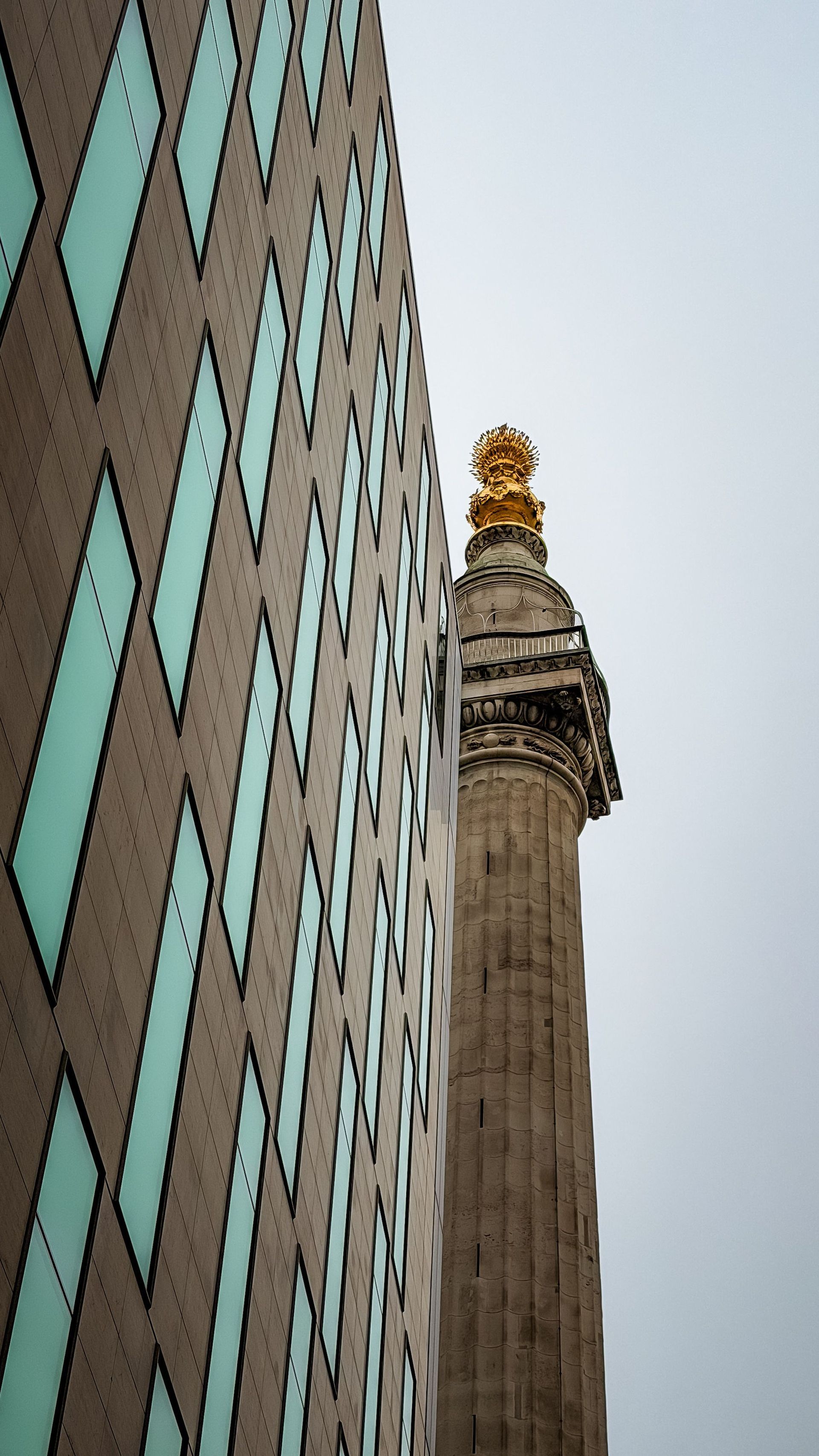
At the bottom of Fish Street Hill, look up at the Monument’s gilded flame. Then look east towards Pudding Lane. The distance between the column and the spot where the Great Fire began is the same as the height of the column itself, 202 feet. The fire started in Pudding Lane in 1666. The column gives you a way to picture that first stretch of the story in the streets today. Imagine laying the Monument flat towards Pudding Lane. Its top would reach the site of the outbreak. You can see the gilded flame from several streets away, but the relationship between the column and the fire is easier to appreciate on foot. Start at the base and walk towards Pudding Lane. It takes less time than it takes to explain the story from the cab. Gordon Thom, London black cab driver and City of London Guide
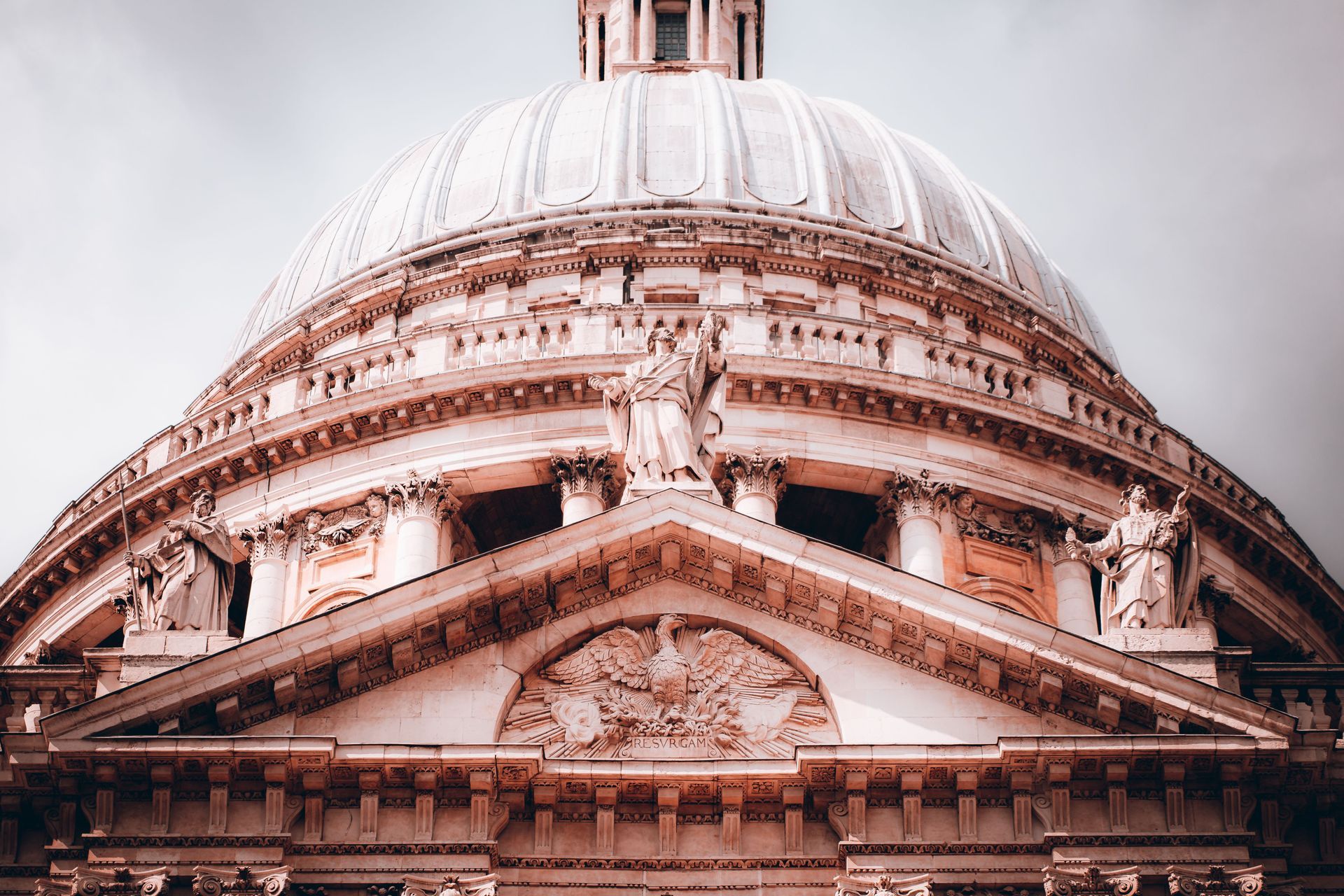
Stand on the Millennium Bridge and look towards St Paul’s. The dome is the easiest thing to pick out on the skyline. Step inside the cathedral and look up again. The curve you see from the floor belongs to a different part of the building. Christopher Wren’s design uses three layers. The inner dome gives the cathedral its ceiling. A concealed brick cone carries the weight of the stone lantern. The outer dome gives London the profile you can see from across the Thames. Why go to all that trouble? Wren could set the height and shape of the ceiling for people inside, while giving the dome a taller silhouette outside. The brick cone does the structural work in the space between them. On a walk from the South Bank, try looking for the lantern first. It’s the stone structure at the very top of the dome. Once you know what holds it up, that familiar view becomes an engineering drawing you can read from the other side of the river. Gordon Thom, London black cab driver and City of London Guide
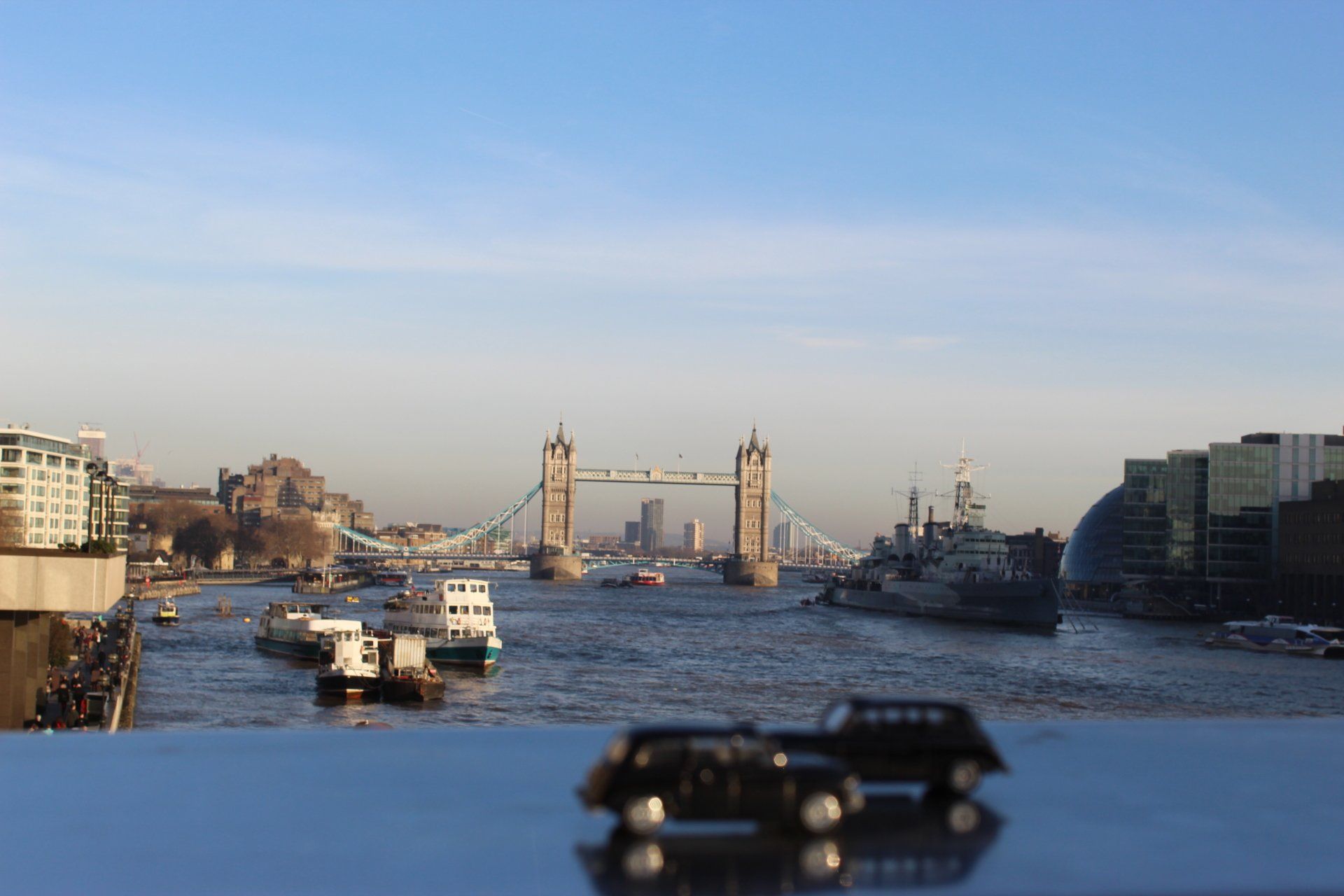
Discover why Tower Bridge lifted 6,194 times in its first year and how steam powered the machinery that opened the road.
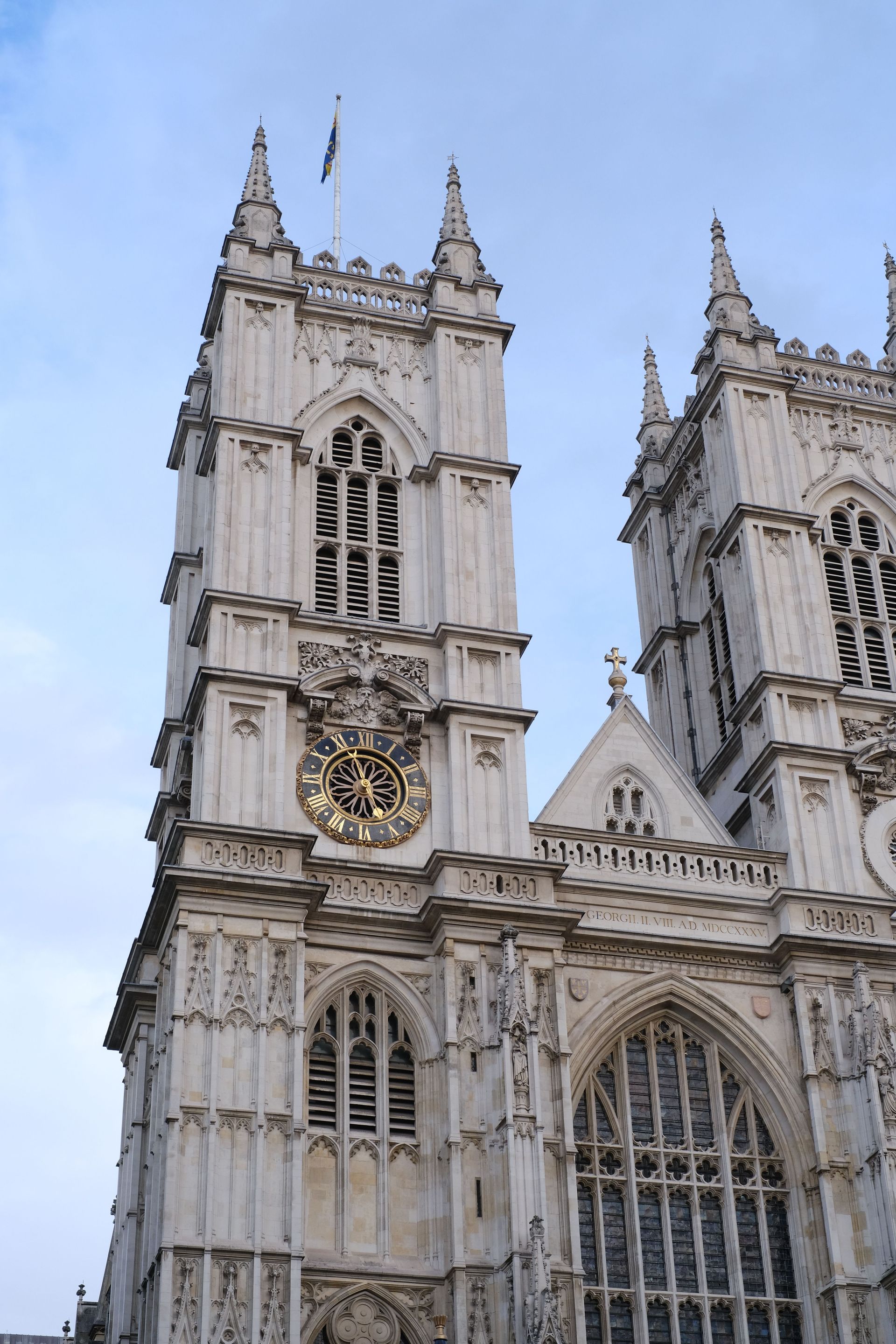
Outside Westminster Abbey in November, look down. The small crosses and other markers in the Field of Remembrance carry personal tributes. It’s a place to stop and read the names. The Royal British Legion traces the Field back to 1928. The Poppy Factory brought a group of disabled veterans to St Margaret’s Church, beside the Abbey. They had a tray of poppies and a collecting tin. That modest gathering grew into the annual Field of Remembrance. If you’re walking through Parliament Square, pause by the Abbey and look for St Margaret’s. It’s the smaller church next door, and it’s where this particular tradition began. Gordon Thom, London black cab driver and City of London Guide
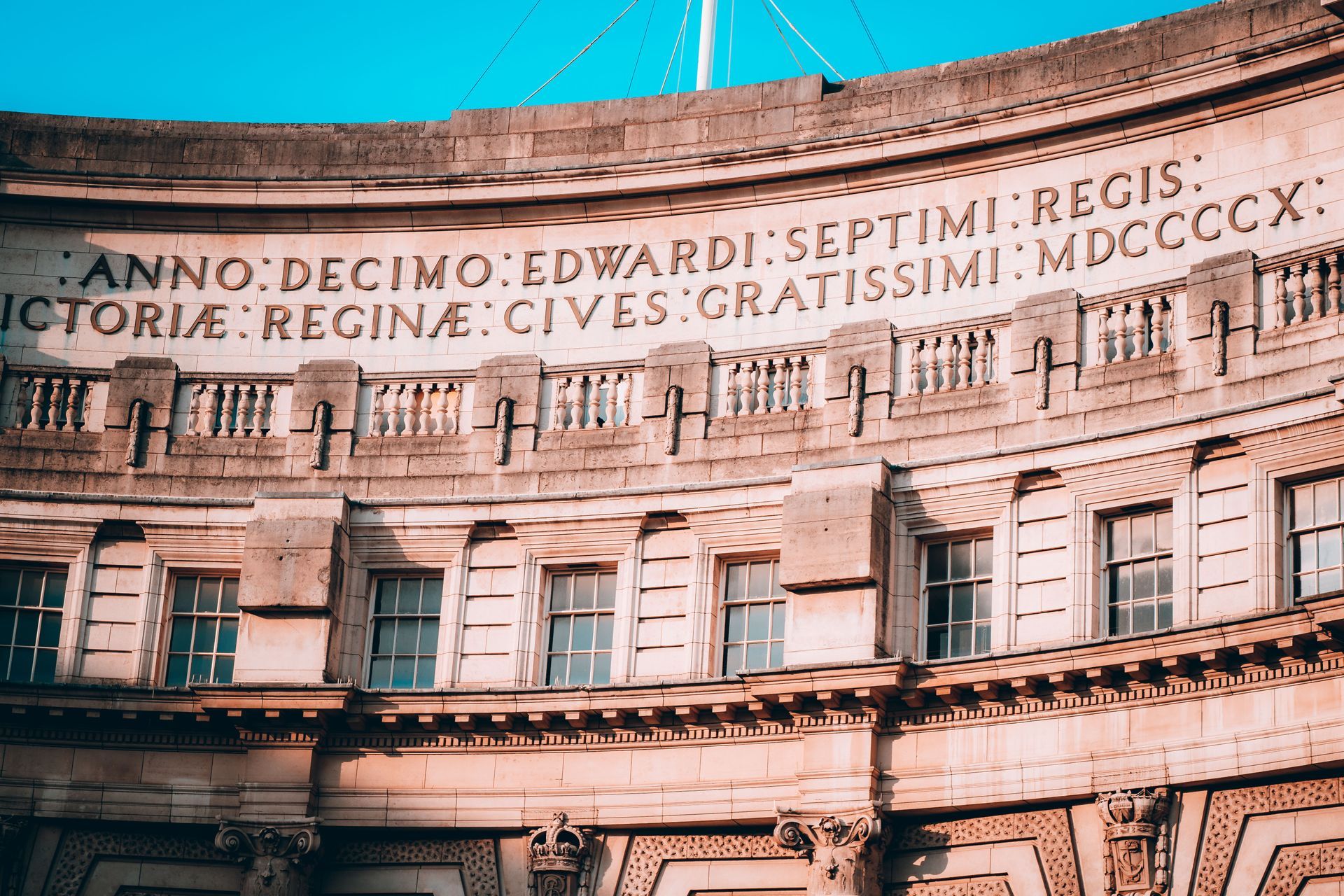
Look up as you approach Admiralty Arch from The Mall. Above the central opening, there’s a small red lamp. From a black cab you notice details like that, especially when the traffic gives you time to look. Three arches, different jobs The two outer carriage arches are the route for ordinary traffic. The wider central opening is reserved for royal ceremonial use. Smaller passages at either end are for people on foot. The red lamp sits over the opening ordinary drivers don’t use. I haven’t found an official record that dates the lamp or explains exactly how it was operated. If you have an old photograph that shows it, I’d love to see it. The date in the stone Edward VII commissioned the arch in memory of his mother, Queen Victoria. Sir Aston Webb designed it, and the building was completed in 1912. Look at the Latin inscription and you’ll see 1910 in Roman numerals. That’s the date on the dedication. The Royal Parks gives 1912 as the year the arch was finished. Next time you’re in Trafalgar Square, stand where you can look through the arch and down The Mall. On a ceremonial day, that central opening gives the procession a straight route towards Buckingham Palace. The rest of us know which way to go. Gordon Thom, London black cab driver and City of London Guide
Exhibition Of Glass @ 2 temple Place.
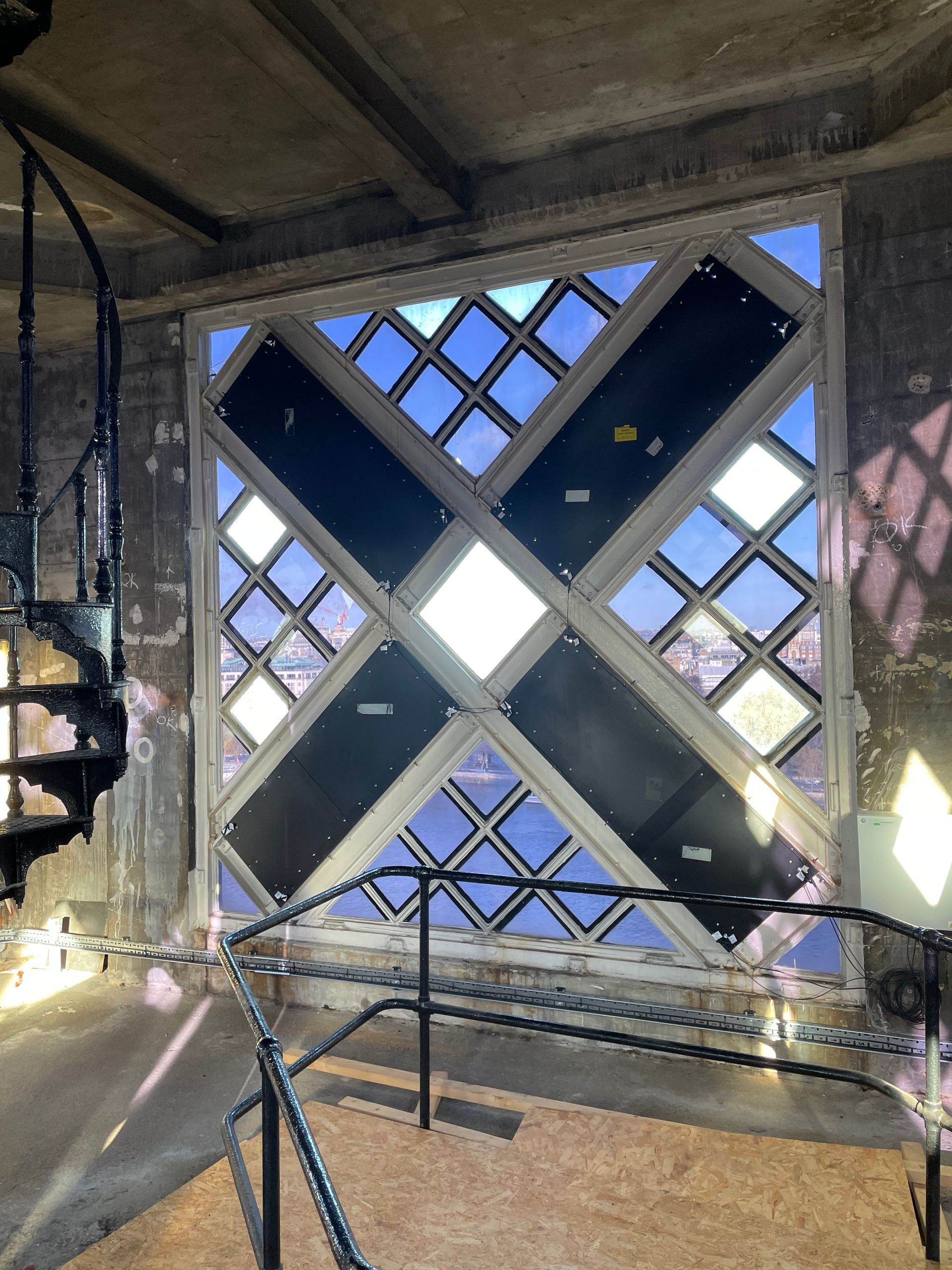
The iconic Oxo Tower on the Southbank.
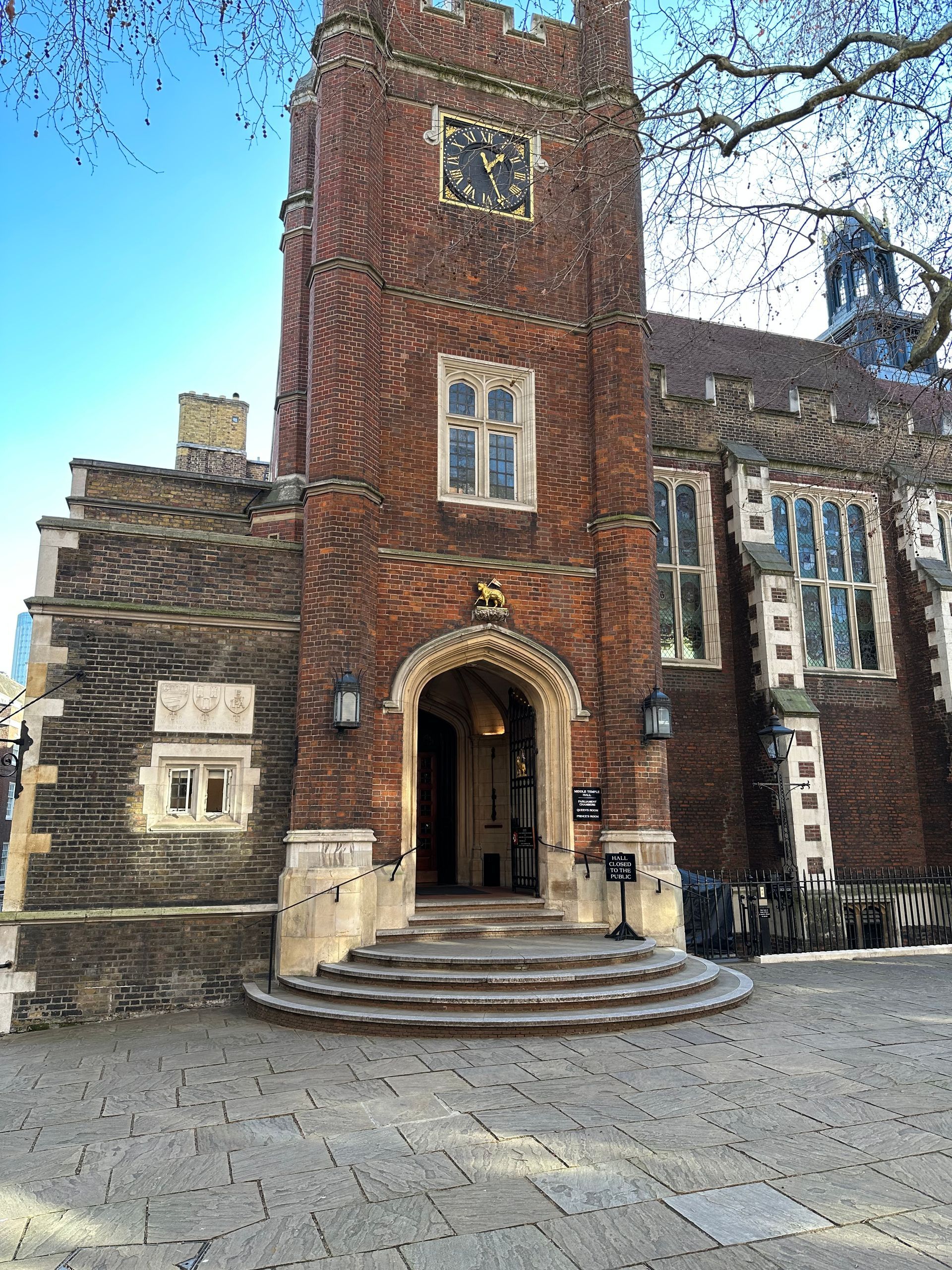
Middle Temple, one of the four inn's of court in the City of London.

Royal Mail have transformed this post box next to Lords cricket ground from its traditional red to white, to celebrate England’s double whammy, as holder of both Cricket World Cup titles. It is further decorated with images of a gold cricket bat, stumps and a ball. It is also complimented with a plaque. This postbox celebrates ICC Cricket World Cup victories for the England Men’s cricket team on 14 July, 2019 and the England Women’s cricket team on 23 July, 2017, both finals taking place at Lord’s.