Cock Lane and the London Proclamation of 1393

Gordon Thom • November 25, 2026

Cock Lane. Yes, the name usually gets a reaction. But there is a medieval document behind the story that is worth stopping for.

In 1393, a London proclamation restricted where women selling sex could go about or lodge, by day or by night. It named the stews across the Thames and a place written down as Cokkeslane.

That brings us to this small street near Smithfield. Historian Dr Eleanor Janega discusses the proclamation in her work on London’s medieval streets and maps. The penalty it set out was the loss of the woman’s outer garment and hood whenever she was found breaking the rule.

Imagine what that meant in practical terms. A piece of clothing was something you depended on, particularly in a London winter. The document gives us a glimpse of how the city’s authorities tried to control women’s movements and livelihoods.

I find streets like this fascinating because the name survives while the world behind it has changed. Standing here today, you need a little help from the written record to understand what the authorities were arguing about more than six centuries ago.

If you are visiting from America and exploring around Smithfield or St Paul’s, Cock Lane gives you a short detour into another side of medieval London. Look for the street sign and take a moment to picture a city whose boundaries, rules and everyday life were very different.

These are the stories I enjoy fitting between the famous sights.

Explore my private London Taxi Tour and tell me if you would like to hear more about London’s old streets.

Historical source: Dr Eleanor Janega, On putting sex work on the map, quoting the 1393 ordinance reproduced in Emily Amt’s Women’s Lives in Medieval Europe.

The Cock Lane street sign in the City of London

Photo: Matt Brown, 19 July 2023, via Wikimedia Commons. CC BY 2.0. Display resized.

London Taxi Tour (LondonTaxiTour.Com)
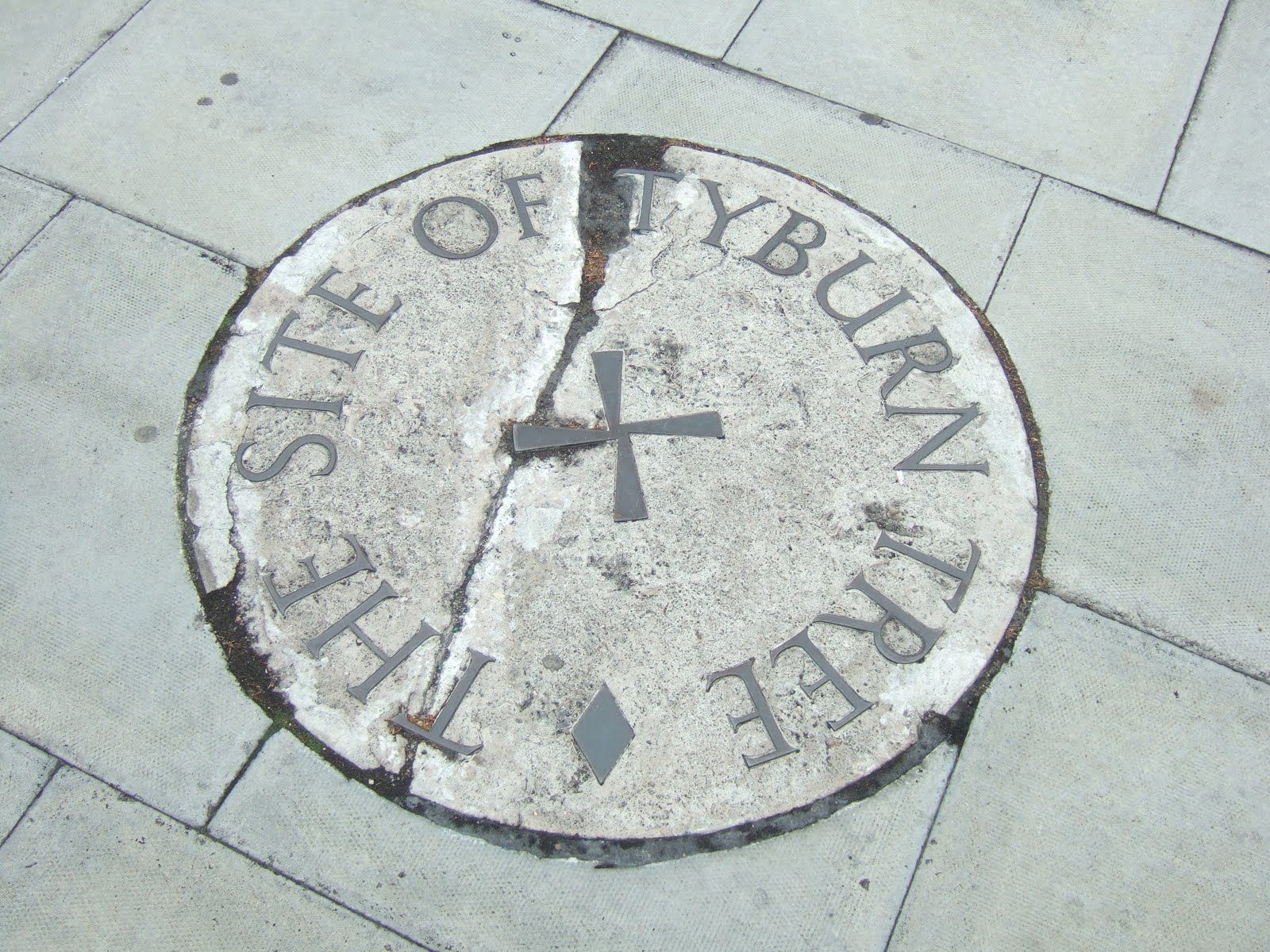
The circular stone plaque marking the site of Tyburn Tree near Marble Arch
By Gordon Thom • November 24, 2026
Find the Tyburn Tree plaque near Marble Arch and discover the darker history beneath a London traffic island, beside Oxford Street and Hyde Park.
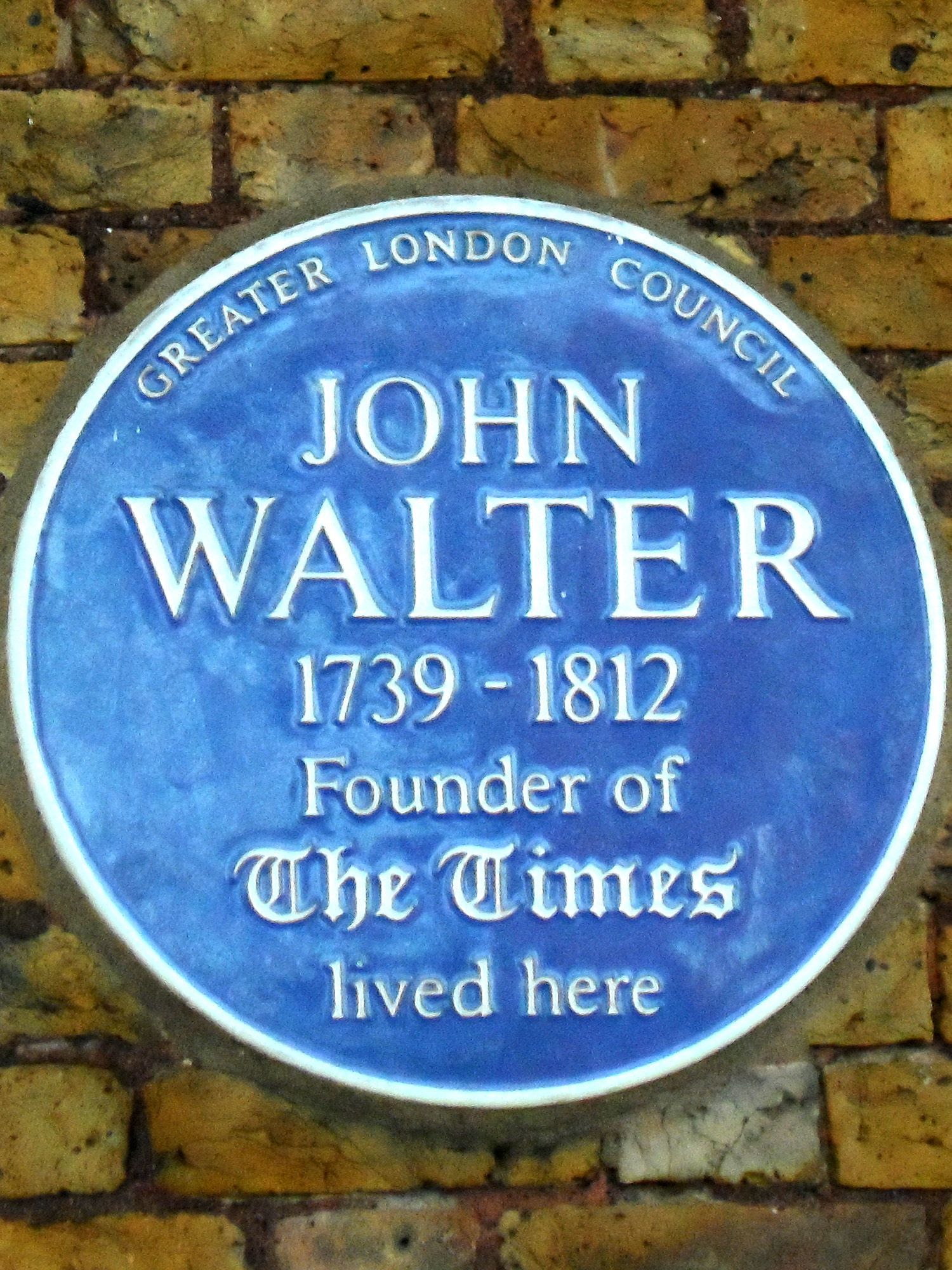
John Walter blue plaque at 113 Clapham Common North Side, showing the lettering of The Times
By Gordon Thom • November 23, 2026
Find John Walter’s blue plaque in Clapham and discover the newspaper history hidden in its lettering, with a small London detail to spot on your visit.
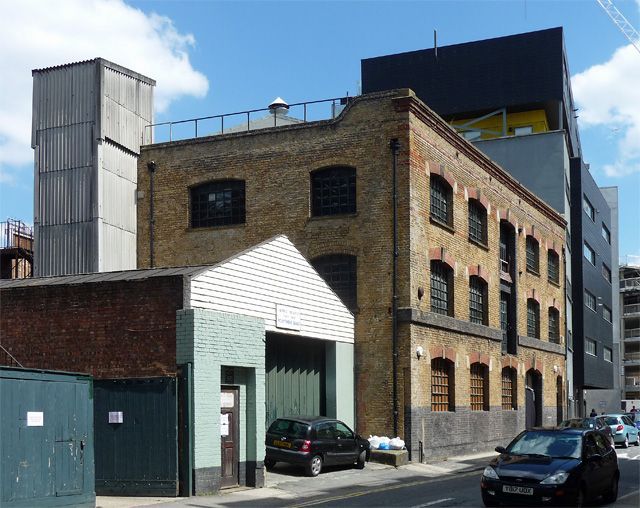
Victorian commercial buildings at 45–49 Tanner Street, Bermondsey, photographed in 2013
By Gordon Thom • November 22, 2026
Explore Bermondsey’s vinegar-making past, the surviving Sarson’s factory buildings and the London streets once filled with the sharp smell of malt vinegar.
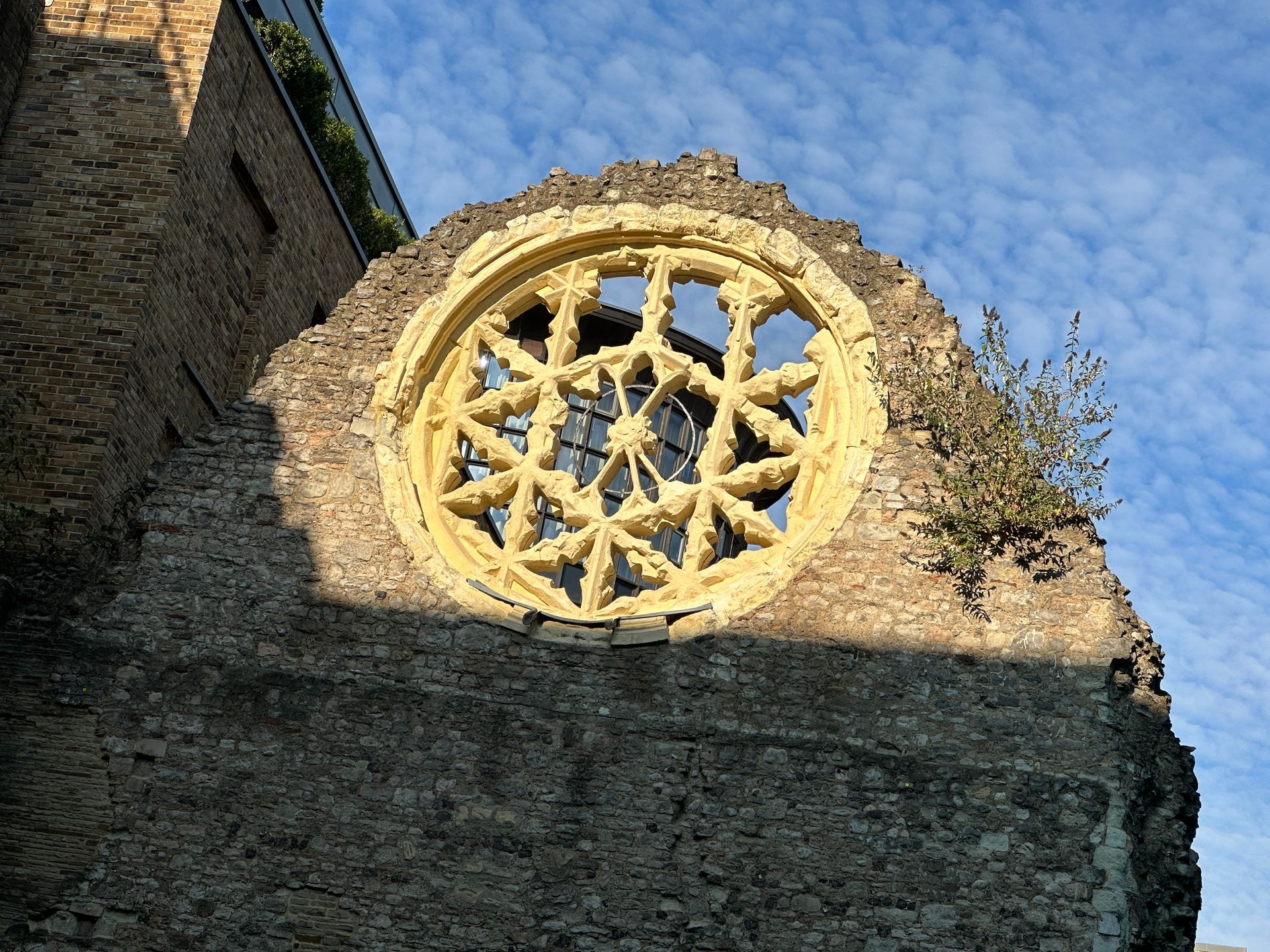
The surviving rose window and stone wall of Winchester Palace on Clink Street, Southwark
By Gordon Thom • November 21, 2026
Discover Winchester Palace on Clink Street near Borough Market, its surviving medieval rose window and a small piece of London history to find on your visit.
By Gordon Thom • November 16, 2026
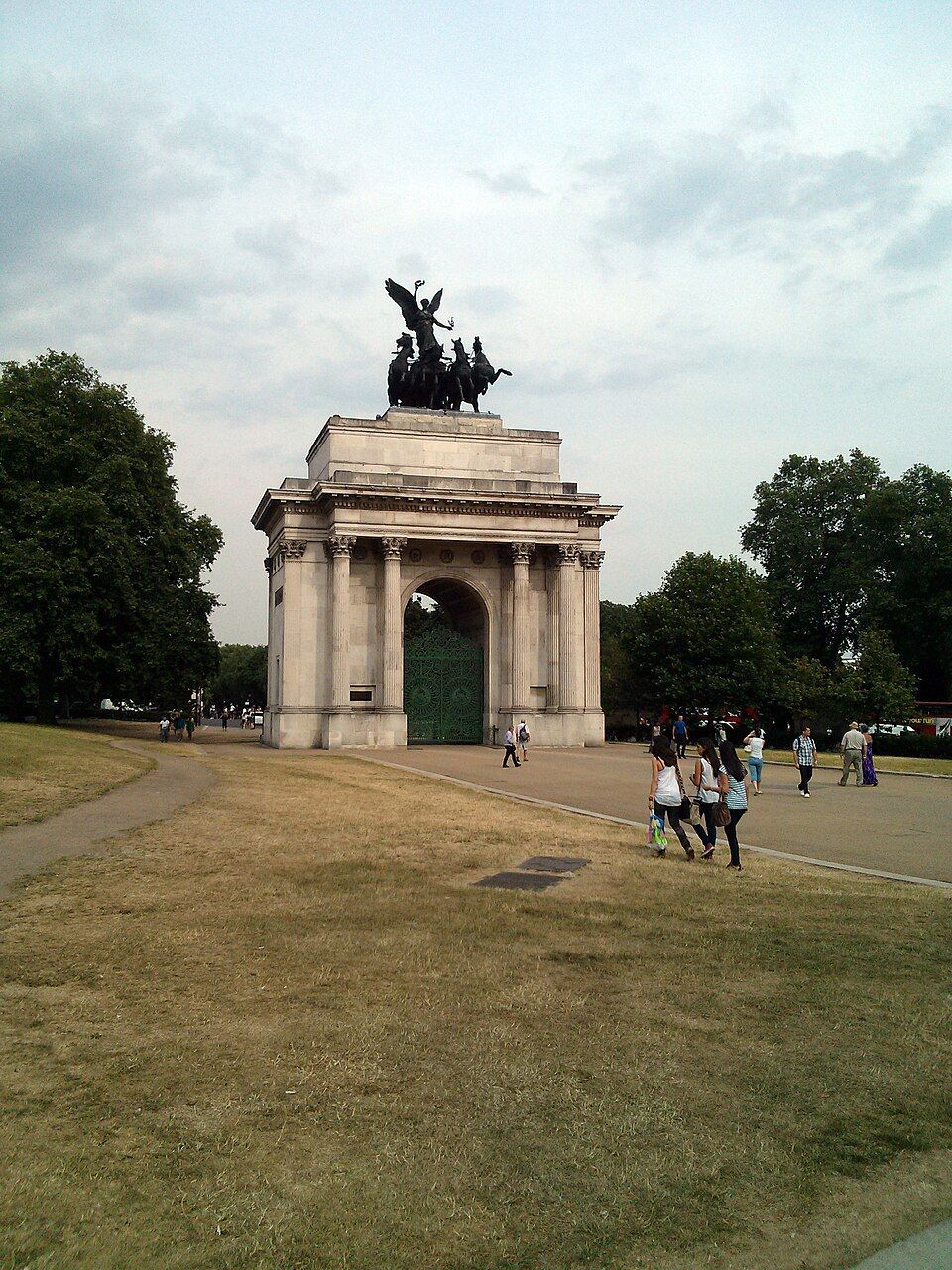
The rooms behind the stonework at Hyde Park Corner
By Gordon Thom • November 15, 2026
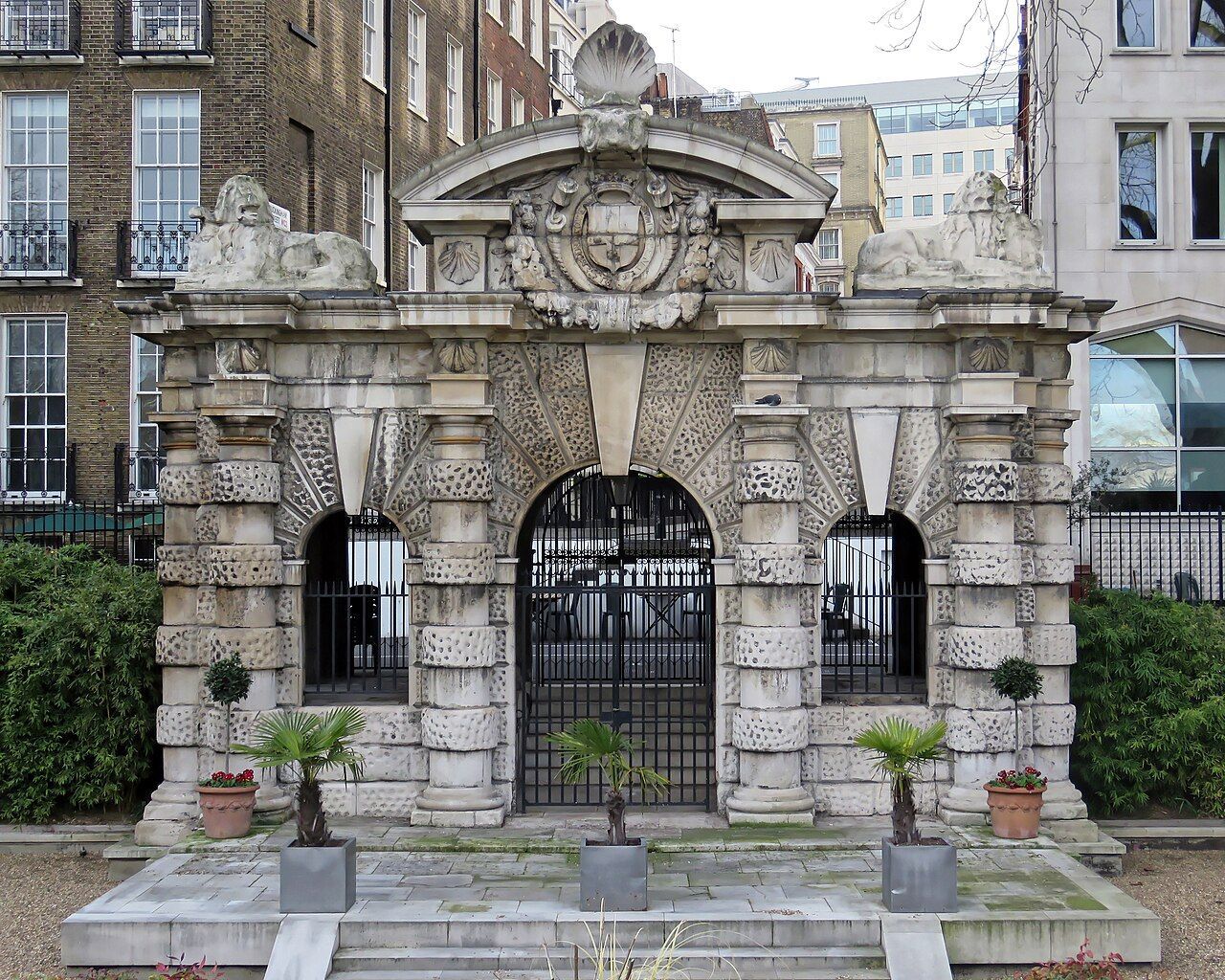
The river steps left high and dry
By Gordon Thom • November 14, 2026
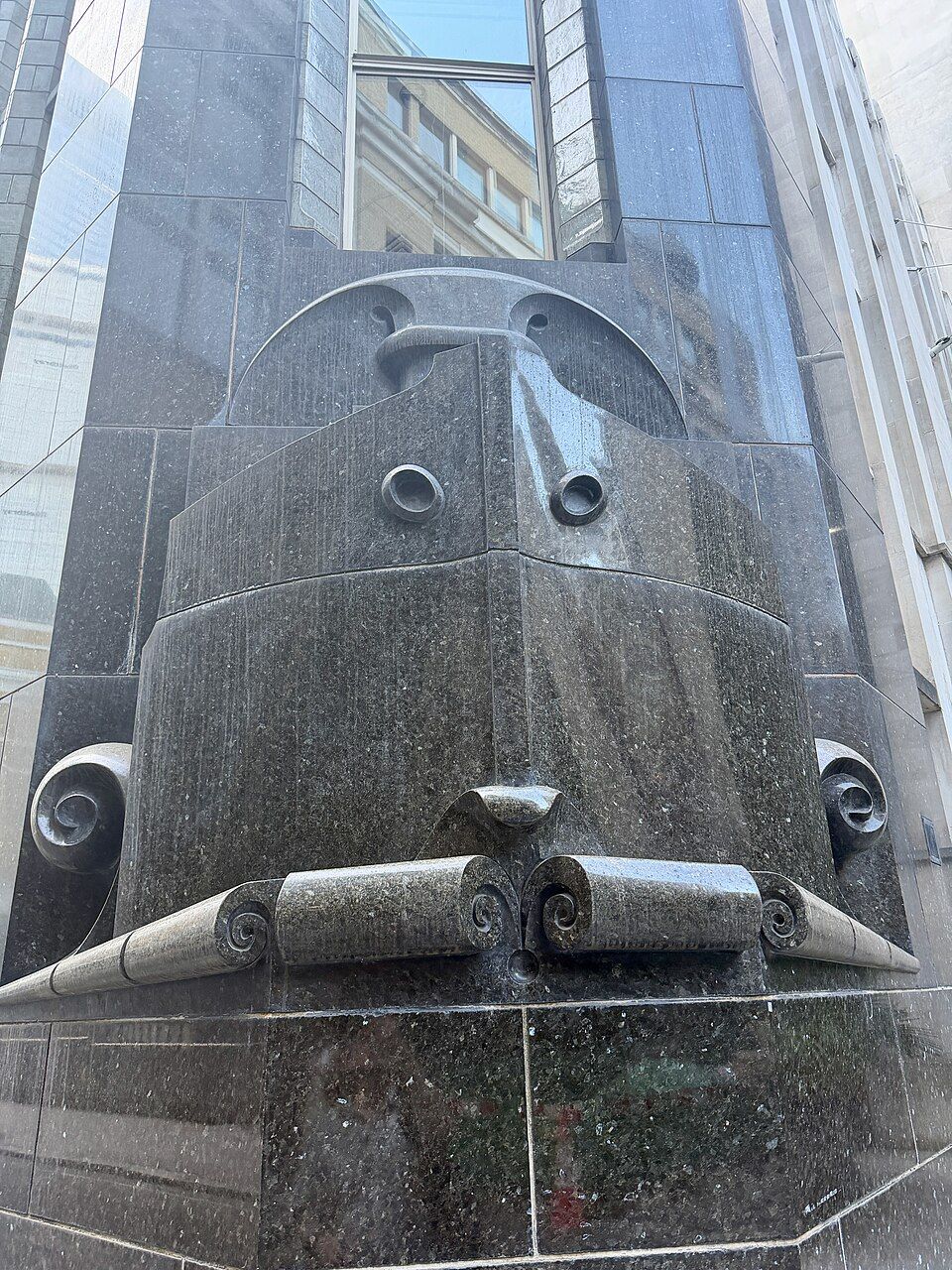
A ship’s prow in the City of London
By Gordon Thom • November 13, 2026
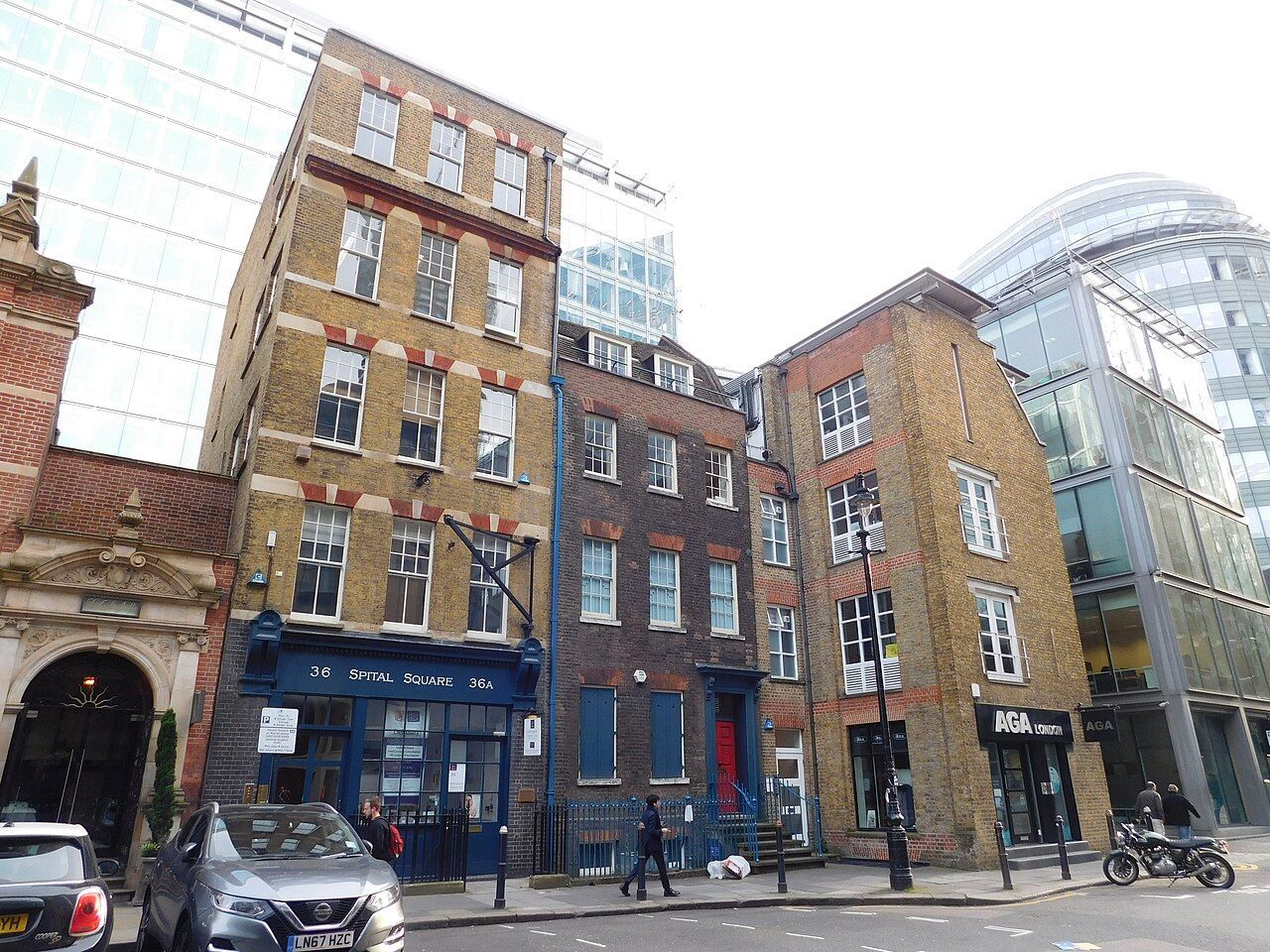
What number 37 tells us about the old square
By Gordon Thom • November 10, 2026
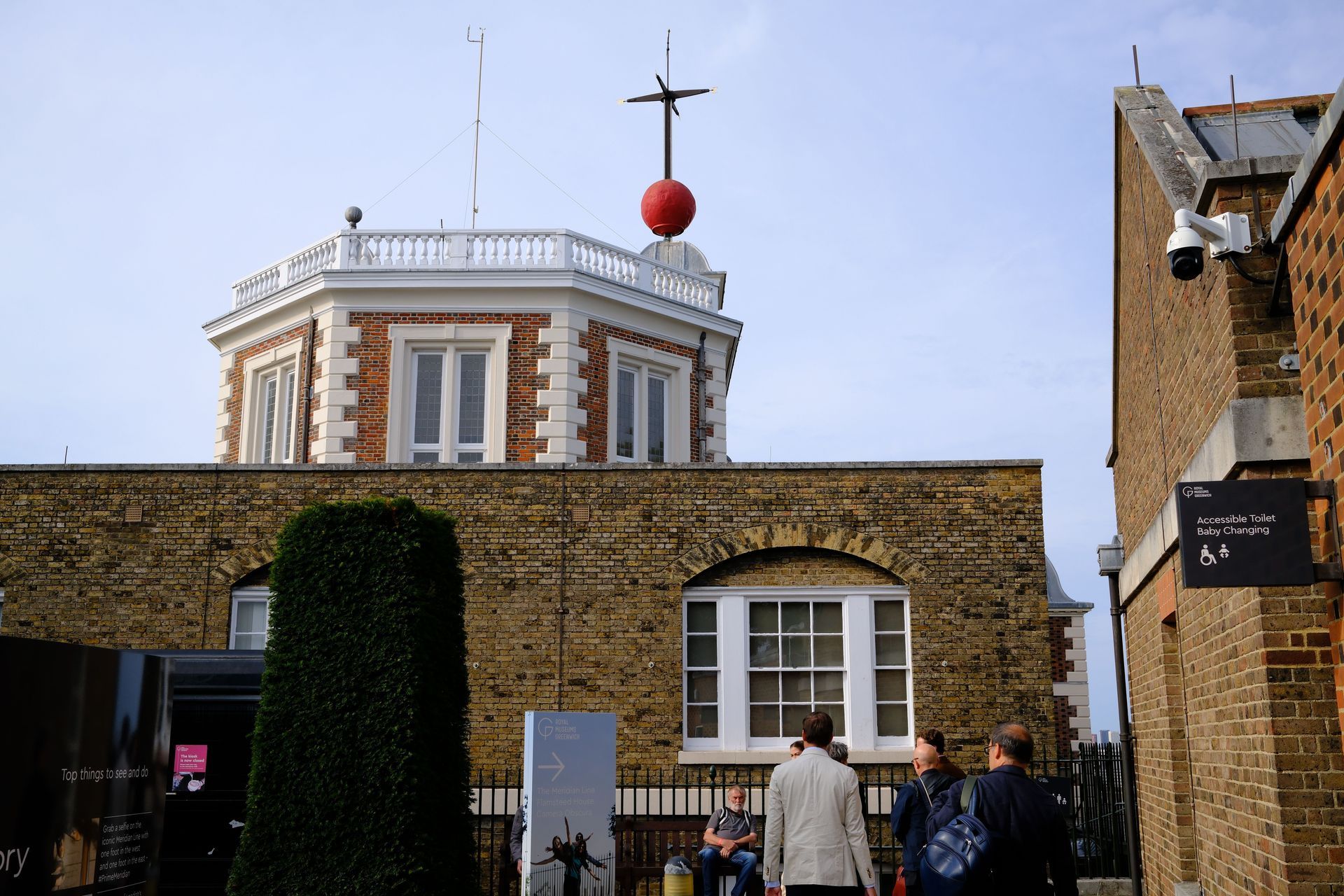
Look up at the Royal Observatory from Greenwich Park and you’ll see a red ball on a mast. At one o’clock it drops. If you were setting a ship’s chronometer in the nineteenth century, that was the moment you were waiting for. The Time Ball first operated in 1833. Ships on the Thames could use the visible signal to check their clocks. Accurate time mattered at sea because navigators used it to work out their longitude. Watch the drop itself. The ball rises in advance, giving people time to get ready. Its fall marks the hour. Royal Museums Greenwich says the ball still drops at 1 pm local time, which means GMT in winter and British Summer Time in summer. There’s plenty to look at from the hill, but for once the smallest thing in the view is the one worth watching. Gordon Thom, London black cab driver and City of London Guide
By Gordon Thom • November 9, 2026
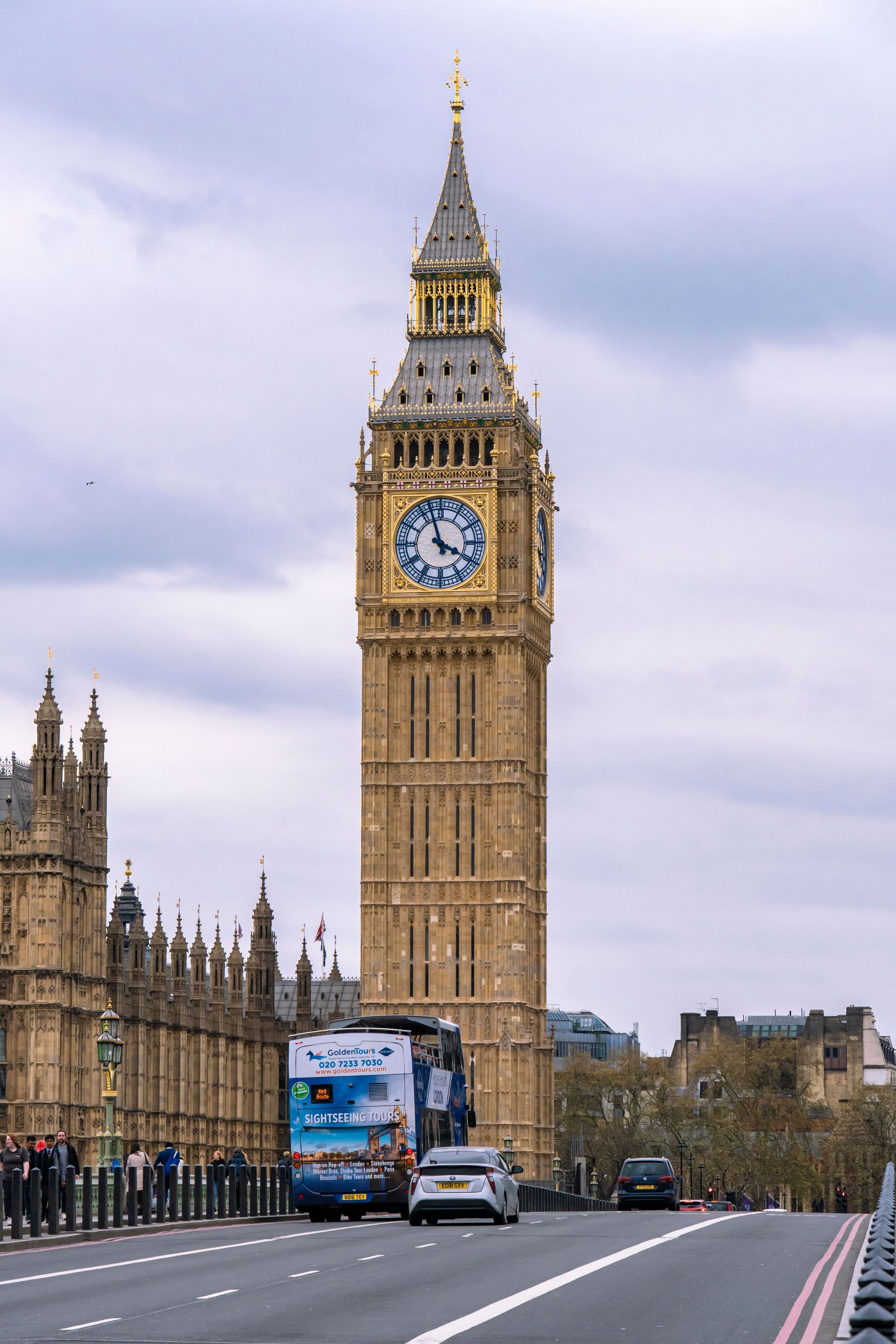
If you ask me to drop you at Big Ben, I know exactly where you mean. But the landmark you can see from the cab and the thing that bears the nickname are two different things. Big Ben is the Great Bell inside the Elizabeth Tower at the Palace of Westminster. The clock faces tell you the time. The Great Bell sounds the hour, while smaller bells sound the quarters. Walk onto Westminster Bridge and look back at the clock face. Then, if you’re there on the hour, listen. You can see the tower from halfway across the river, but the part called Big Ben is the one you hear. Gordon Thom, London black cab driver and City of London Guide