Winchester Palace: The Medieval Ruin beside Borough Market

Gordon Thom • November 21, 2026

Walk along Clink Street near Borough Market and look up. That stone wall with the round window belonged to Winchester Palace, the London residence of the bishops of Winchester.

It is an easy place to hurry past when you are heading for lunch. Give it a minute. You are looking at the remains of a medieval great hall.

The palace was founded in the twelfth century by Henry of Blois, Bishop of Winchester and brother of King Stephen. Bishops needed somewhere to stay while conducting royal and administrative business in London.

The surviving rose window is the detail to look for. Imagine the hall extending away from that wall, furnished and full of people, instead of standing open to the weather.

For American visitors planning a day around Borough Market, this makes a short stop with a story. Find Clink Street, pause by the remains and then carry on along Bankside. You can fit a little medieval London into your day without making a separate journey across the city.

I enjoy showing visitors these small survivals. Once you know what the wall belonged to, the street looks different.

Explore my private London Taxi Tour and tell me what interests you when you enquire.

Historical source: English Heritage.

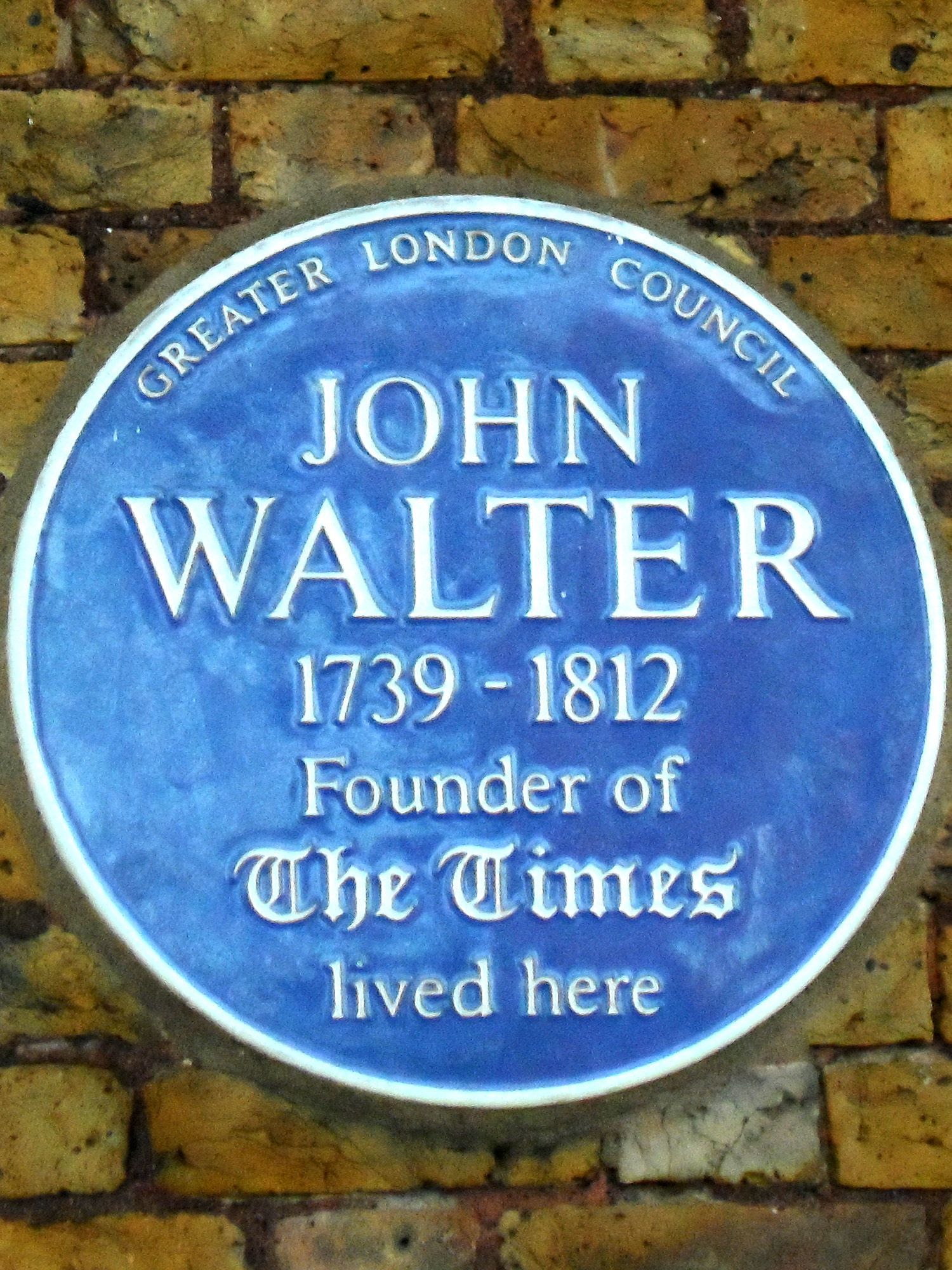
The surviving rose window in the stone wall of Winchester Palace, Southwark

Photo: Matt Brown, 16 September 2023. Rose window of Winchester Palace, CC BY 2.0. Display resized.

London Taxi Tour (LondonTaxiTour.Com)
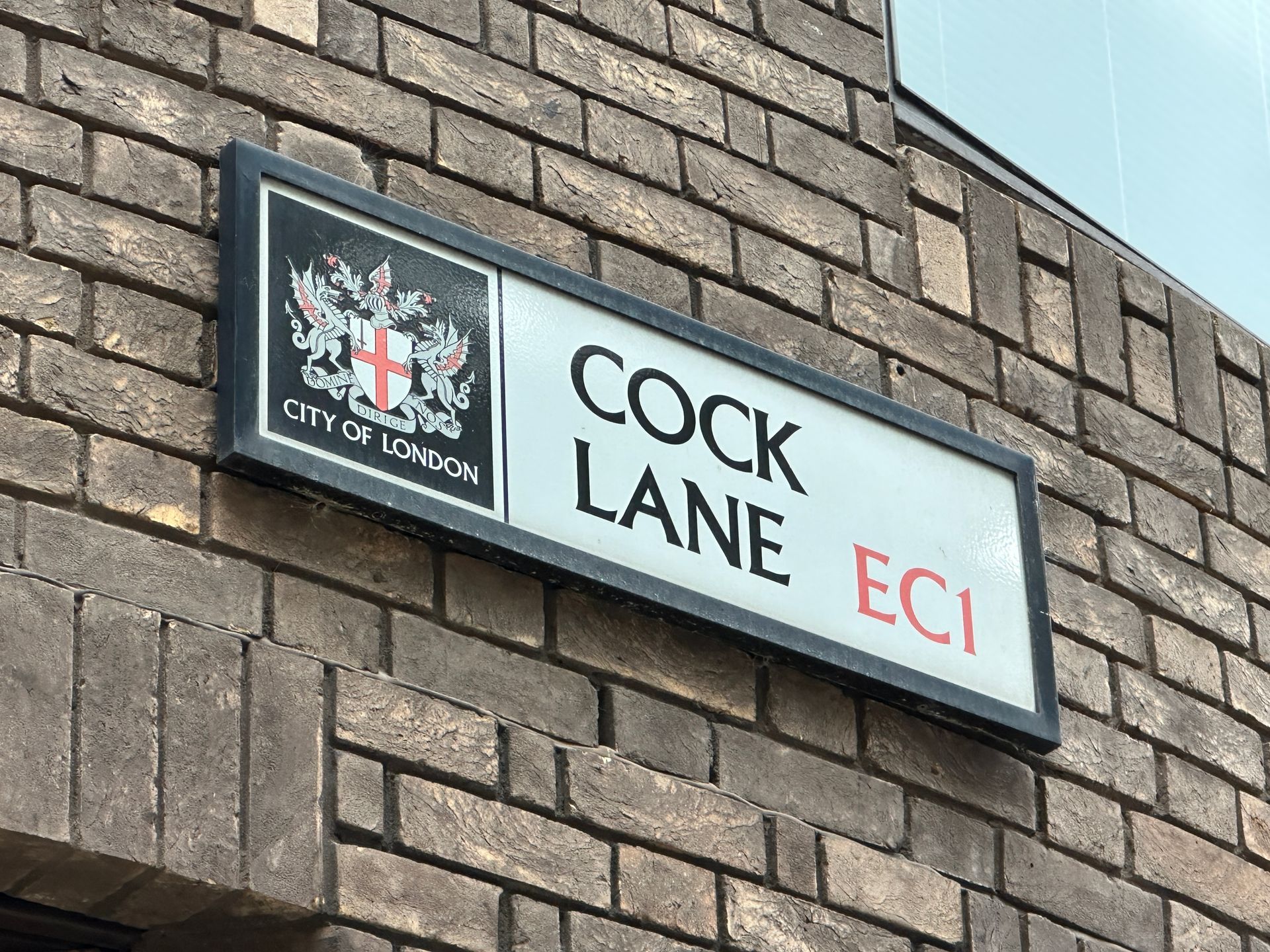
The Cock Lane street sign in the City of London
By Gordon Thom • November 25, 2026
Discover the medieval proclamation that named London’s Cock Lane in 1393, and a small street near Smithfield with a revealing story behind its sign.
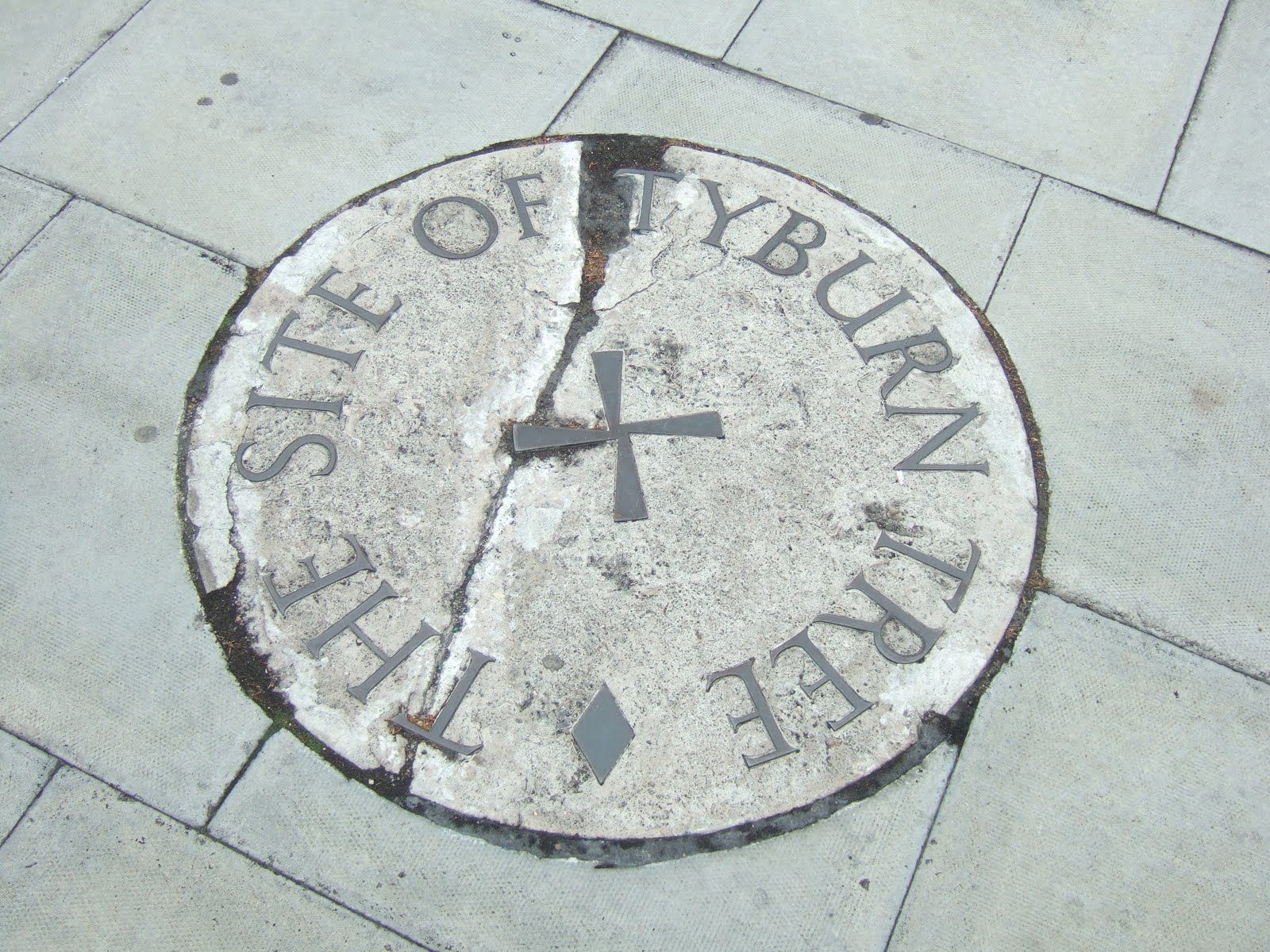
The circular stone plaque marking the site of Tyburn Tree near Marble Arch
By Gordon Thom • November 24, 2026
Find the Tyburn Tree plaque near Marble Arch and discover the darker history beneath a London traffic island, beside Oxford Street and Hyde Park.
John Walter blue plaque at 113 Clapham Common North Side, showing the lettering of The Times
By Gordon Thom • November 23, 2026
Find John Walter’s blue plaque in Clapham and discover the newspaper history hidden in its lettering, with a small London detail to spot on your visit.
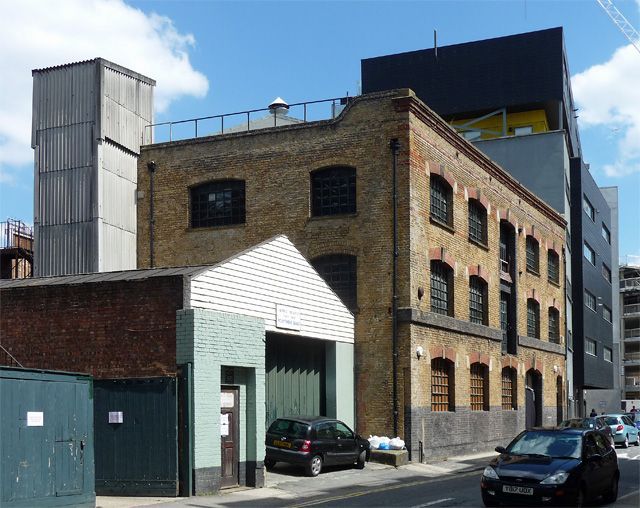
Victorian commercial buildings at 45–49 Tanner Street, Bermondsey, photographed in 2013
By Gordon Thom • November 22, 2026
Explore Bermondsey’s vinegar-making past, the surviving Sarson’s factory buildings and the London streets once filled with the sharp smell of malt vinegar.
By Gordon Thom • November 16, 2026
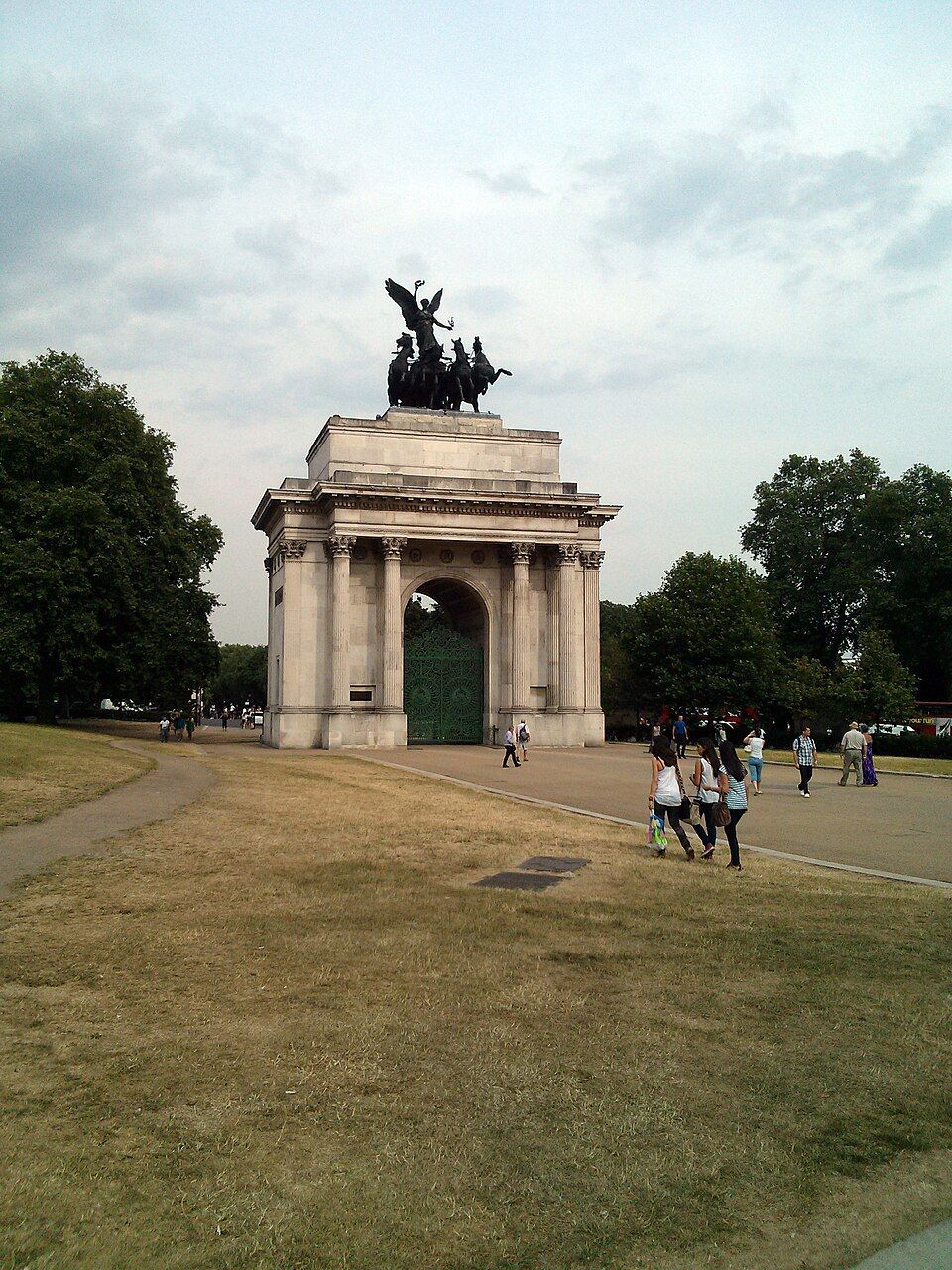
The rooms behind the stonework at Hyde Park Corner
By Gordon Thom • November 15, 2026
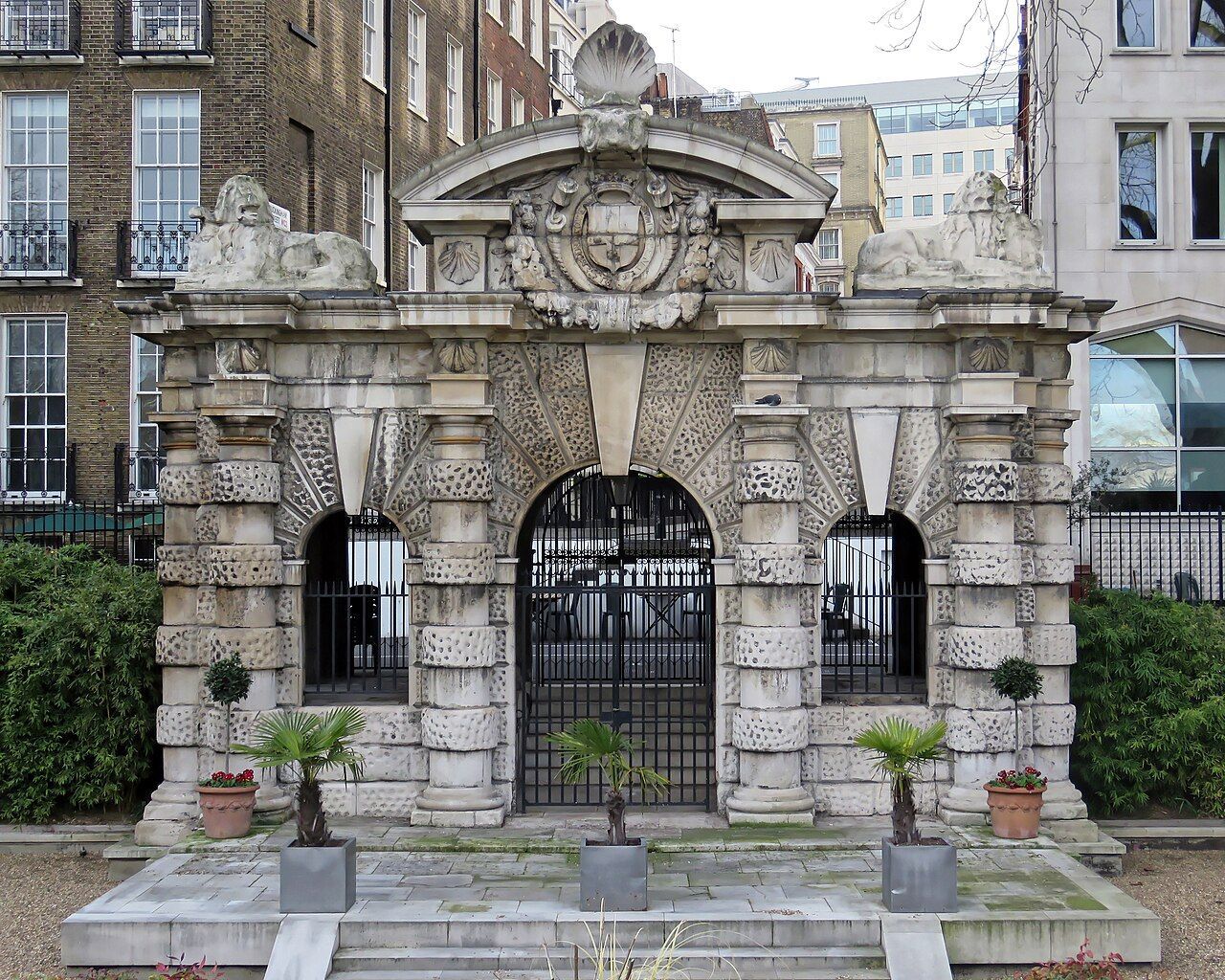
The river steps left high and dry
By Gordon Thom • November 14, 2026
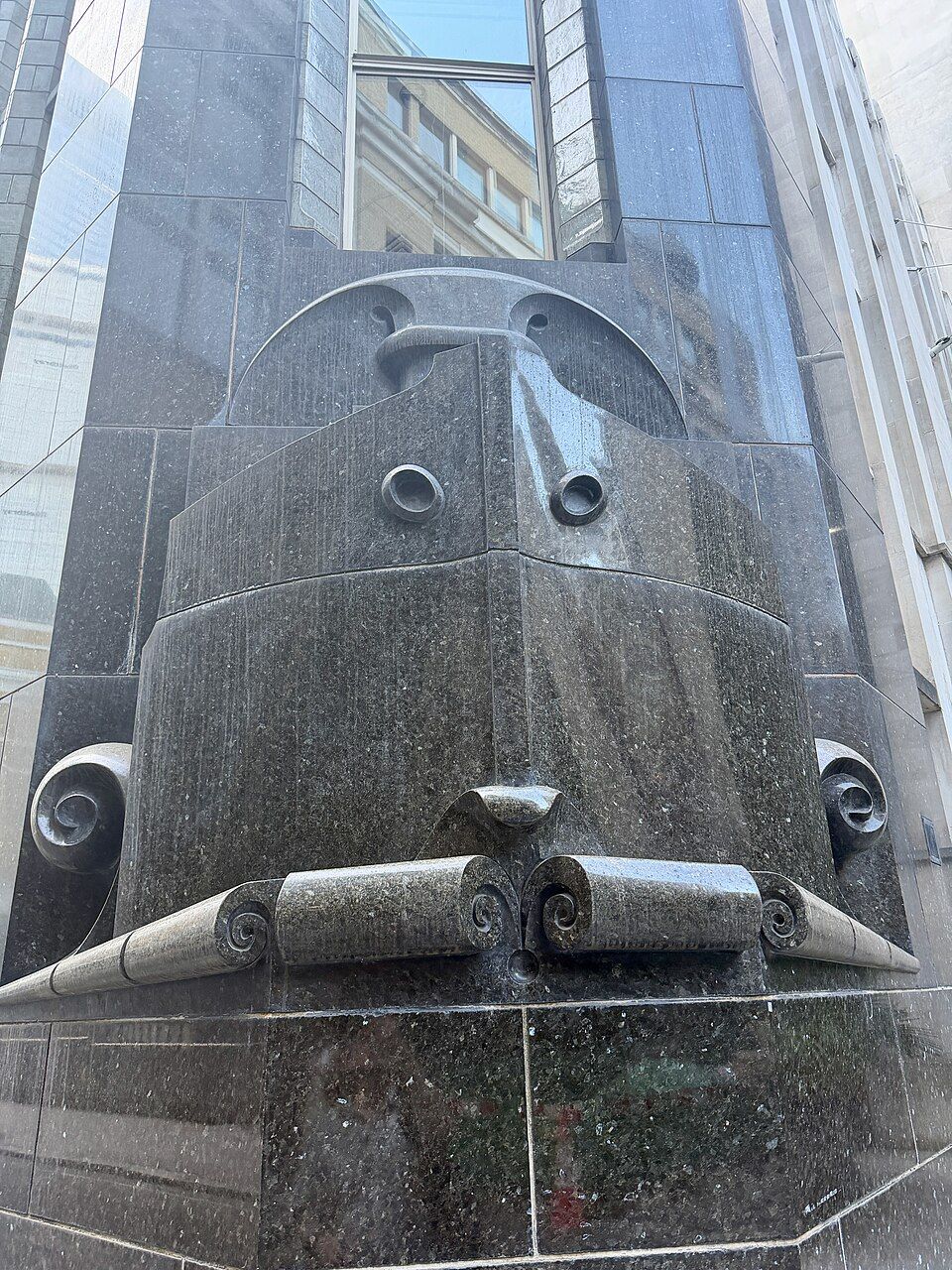
A ship’s prow in the City of London
By Gordon Thom • November 13, 2026
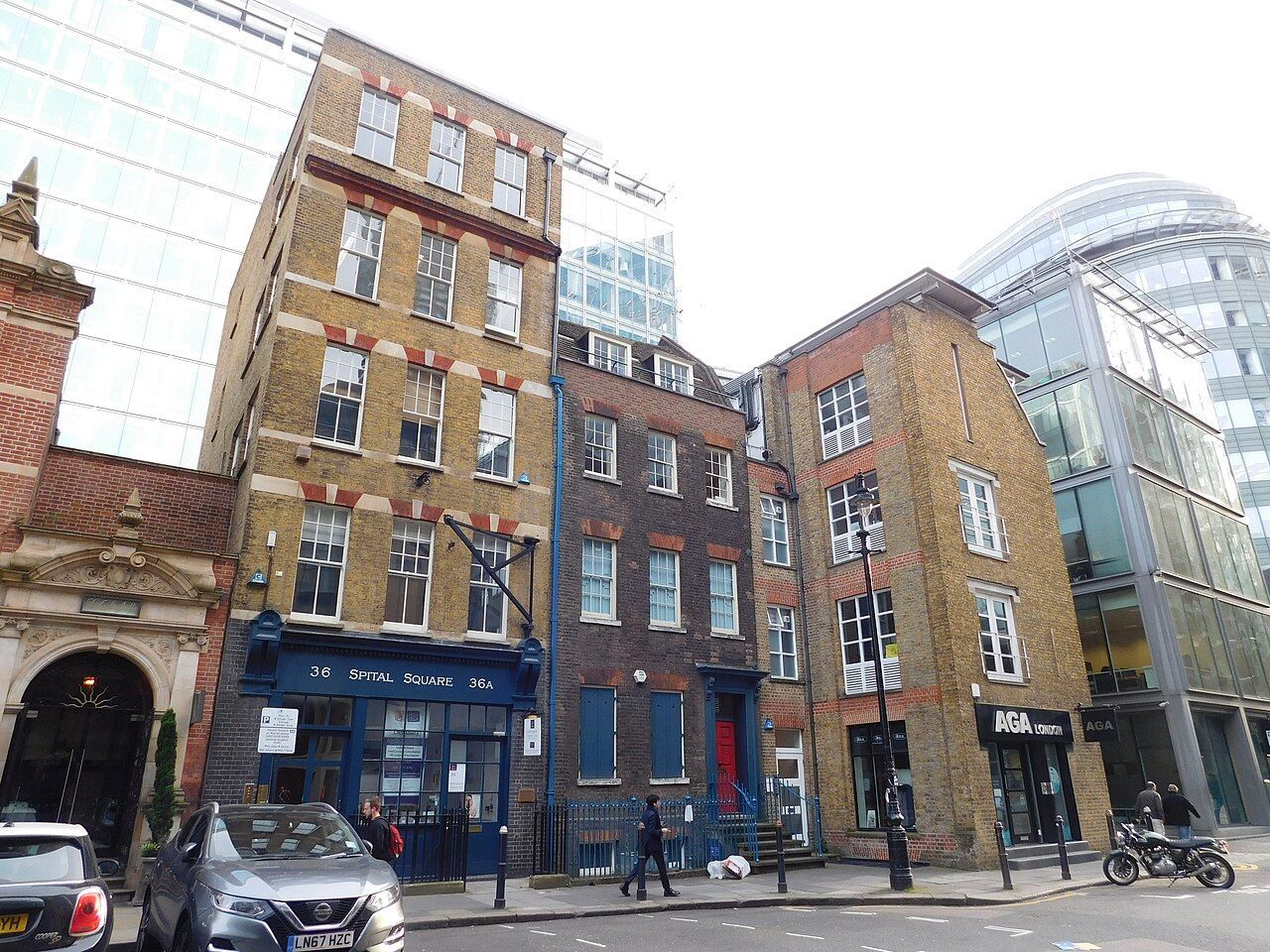
What number 37 tells us about the old square
By Gordon Thom • November 10, 2026
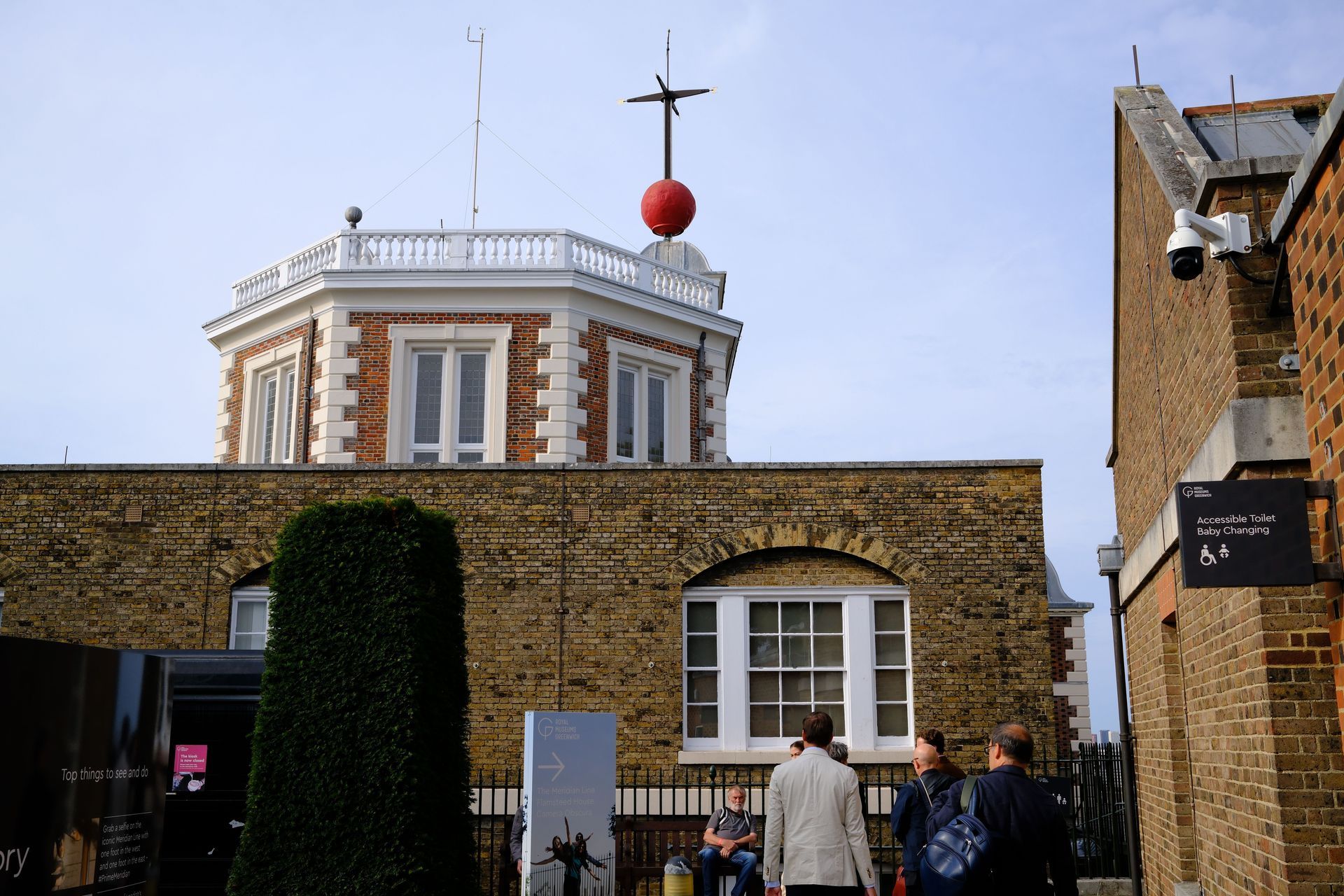
Look up at the Royal Observatory from Greenwich Park and you’ll see a red ball on a mast. At one o’clock it drops. If you were setting a ship’s chronometer in the nineteenth century, that was the moment you were waiting for. The Time Ball first operated in 1833. Ships on the Thames could use the visible signal to check their clocks. Accurate time mattered at sea because navigators used it to work out their longitude. Watch the drop itself. The ball rises in advance, giving people time to get ready. Its fall marks the hour. Royal Museums Greenwich says the ball still drops at 1 pm local time, which means GMT in winter and British Summer Time in summer. There’s plenty to look at from the hill, but for once the smallest thing in the view is the one worth watching. Gordon Thom, London black cab driver and City of London Guide
By Gordon Thom • November 9, 2026
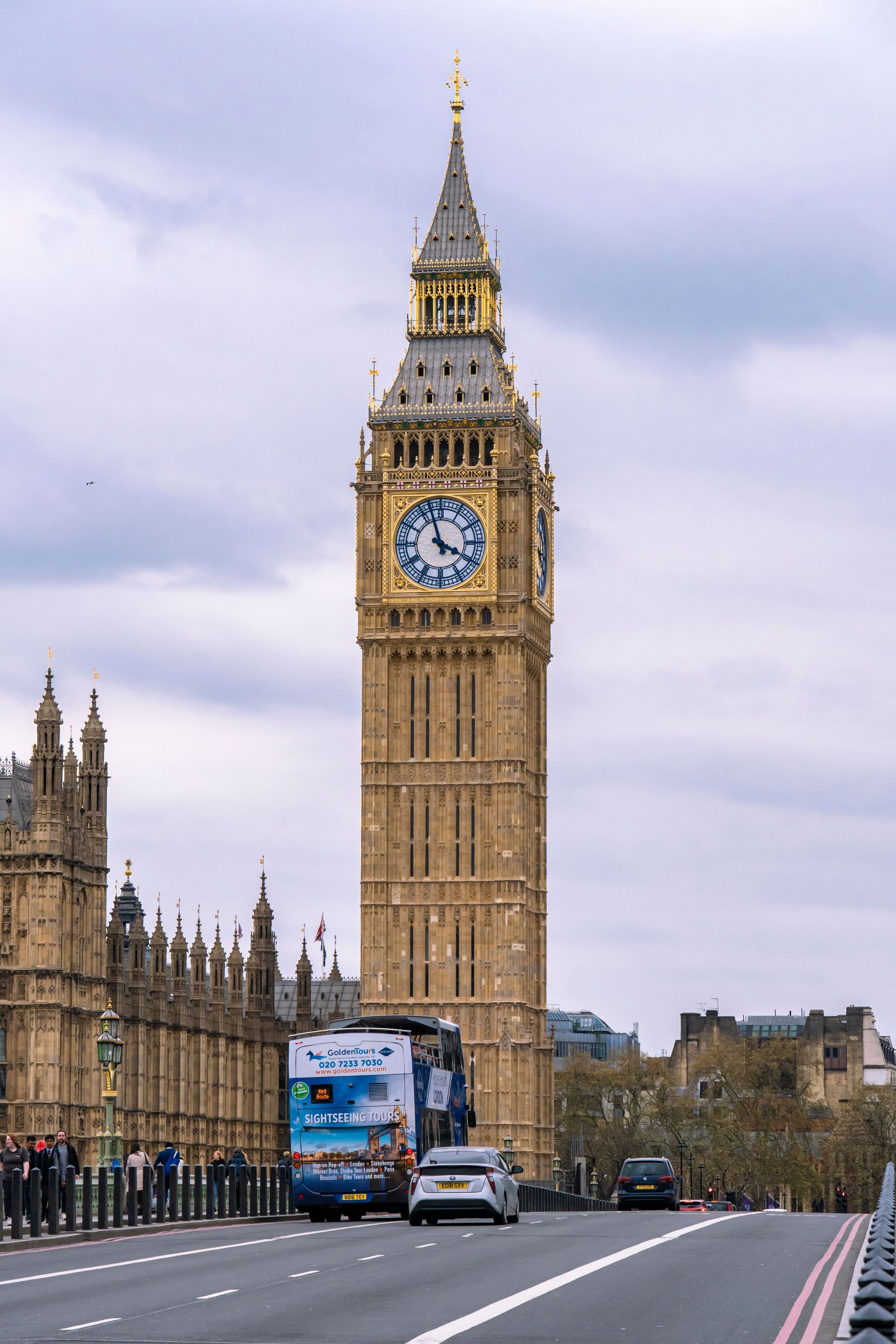
If you ask me to drop you at Big Ben, I know exactly where you mean. But the landmark you can see from the cab and the thing that bears the nickname are two different things. Big Ben is the Great Bell inside the Elizabeth Tower at the Palace of Westminster. The clock faces tell you the time. The Great Bell sounds the hour, while smaller bells sound the quarters. Walk onto Westminster Bridge and look back at the clock face. Then, if you’re there on the hour, listen. You can see the tower from halfway across the river, but the part called Big Ben is the one you hear. Gordon Thom, London black cab driver and City of London Guide