
The Georgian House That Survived in Spital Square
Gordon Thom • November 13, 2026
What number 37 tells us about the old square
Walk into Spital Square and look for number 37. The brick house and its railings give you an idea of what the square once looked like. The house dates from the 1740s, when this part of Spitalfields was filling with new homes. It later became offices for the Society for the Protection of Ancient Buildings and the Georgian Group.
Stand opposite and look at the width of the frontage. Imagine that scale repeated around the square. One surviving house gives you a starting point for picturing a street that has changed around it.
Cover photo: Paul the Archivist, Wikimedia Commons, CC BY-SA 4.0. https://creativecommons.org/licenses/by-sa/4.0/
London Taxi Tour (LondonTaxiTour.Com)
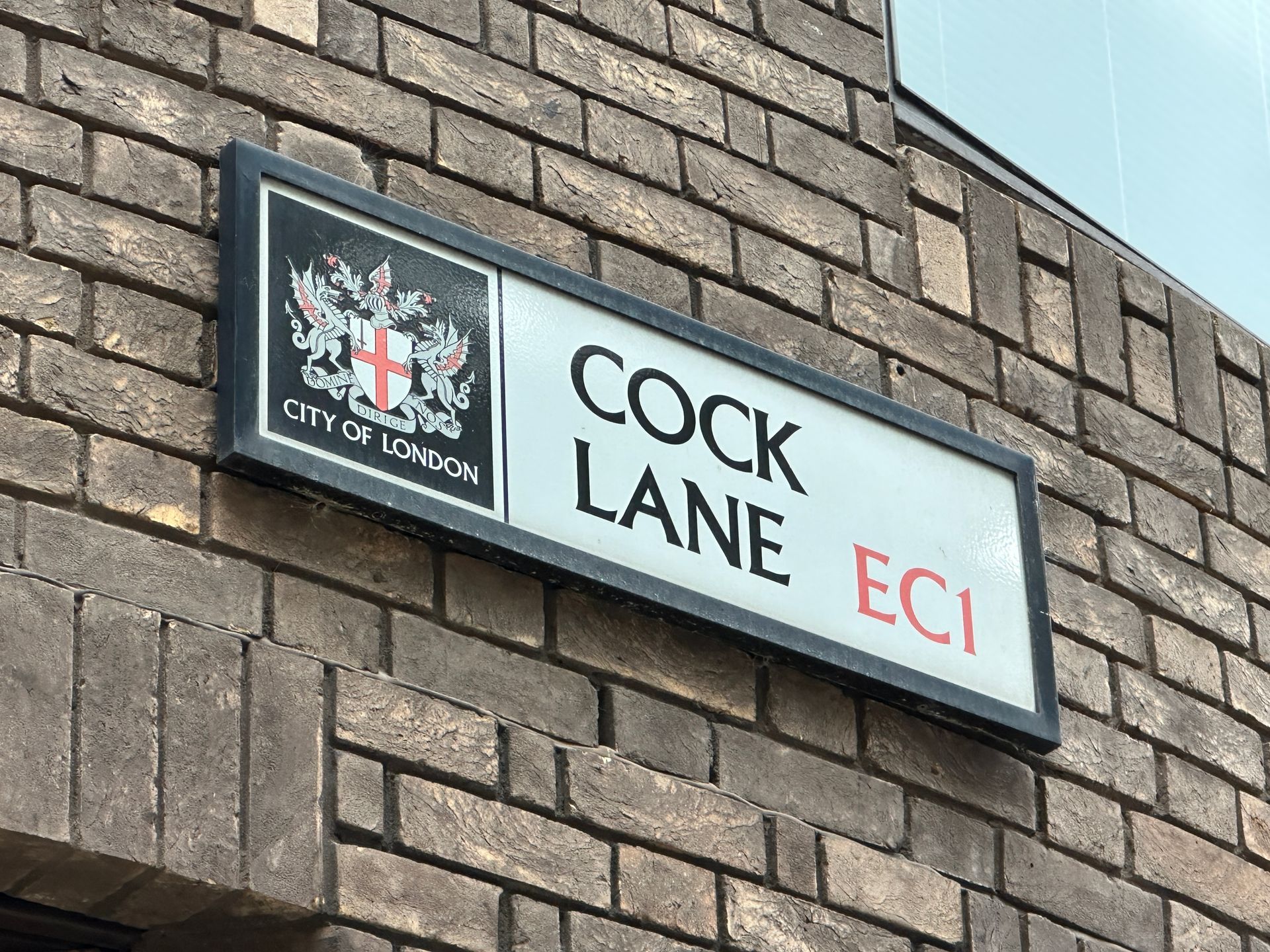
Discover the medieval proclamation that named London’s Cock Lane in 1393, and a small street near Smithfield with a revealing story behind its sign.
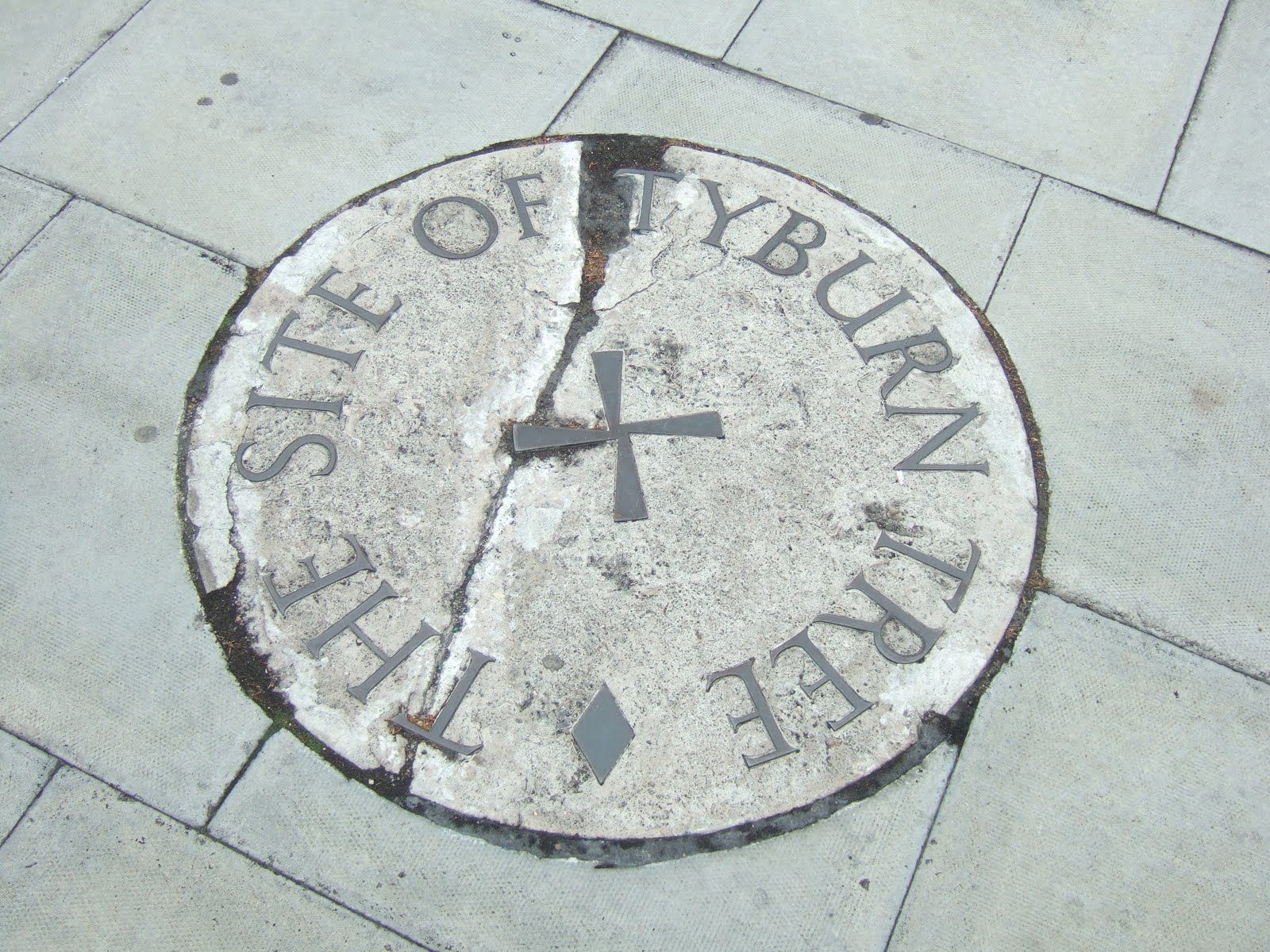
Find the Tyburn Tree plaque near Marble Arch and discover the darker history beneath a London traffic island, beside Oxford Street and Hyde Park.
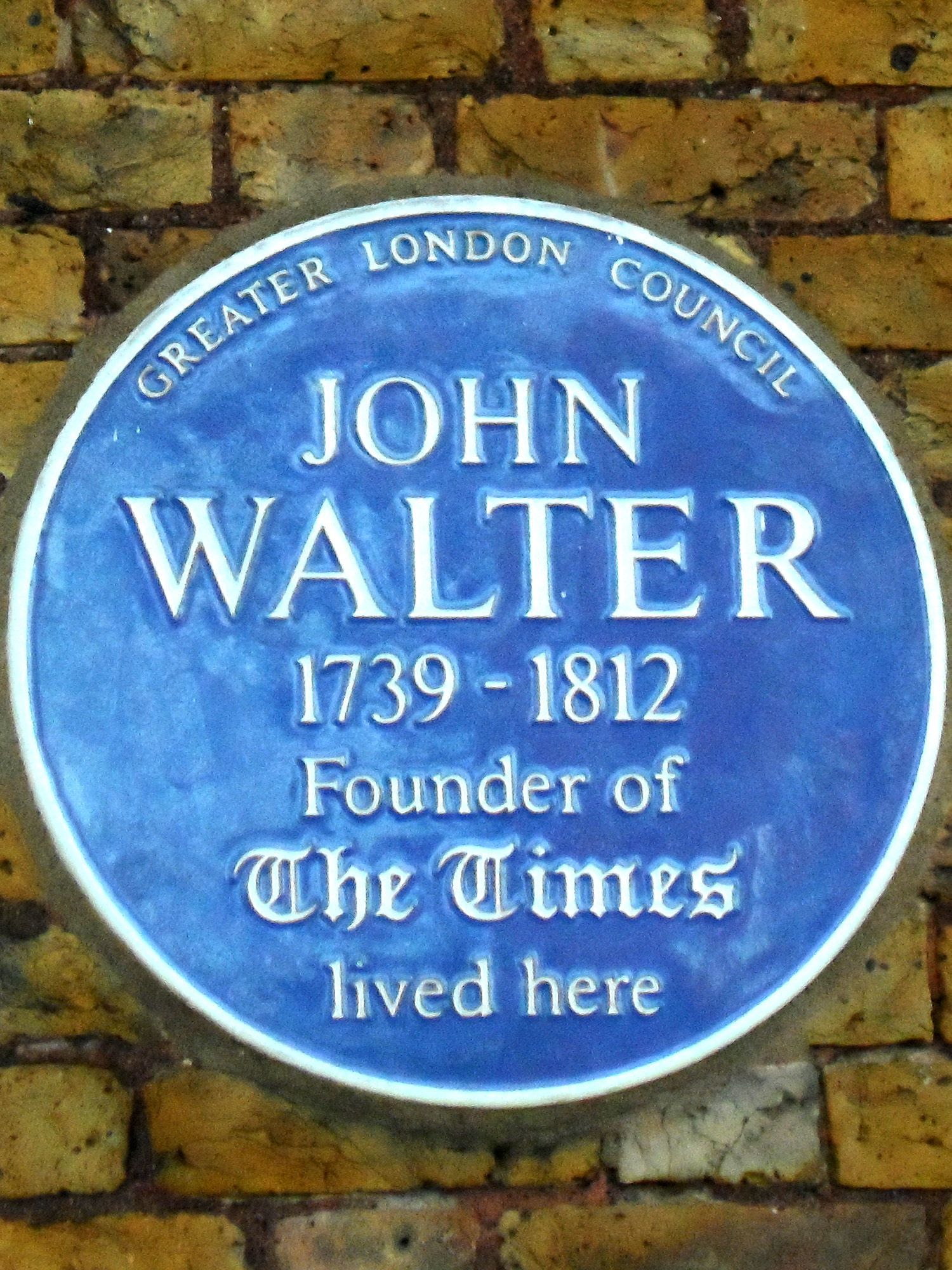
Find John Walter’s blue plaque in Clapham and discover the newspaper history hidden in its lettering, with a small London detail to spot on your visit.
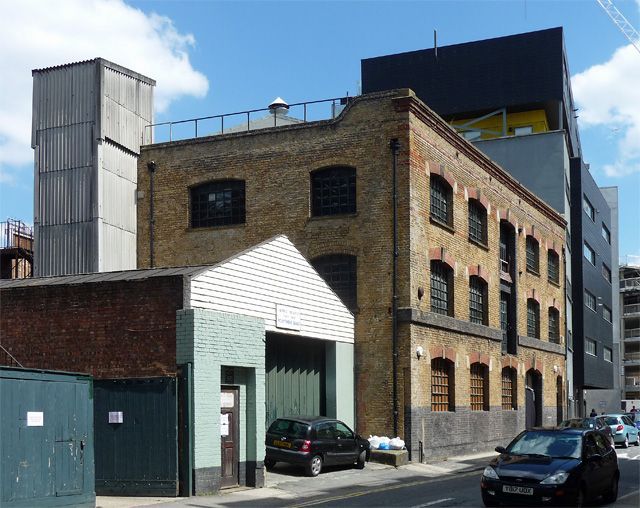
Explore Bermondsey’s vinegar-making past, the surviving Sarson’s factory buildings and the London streets once filled with the sharp smell of malt vinegar.
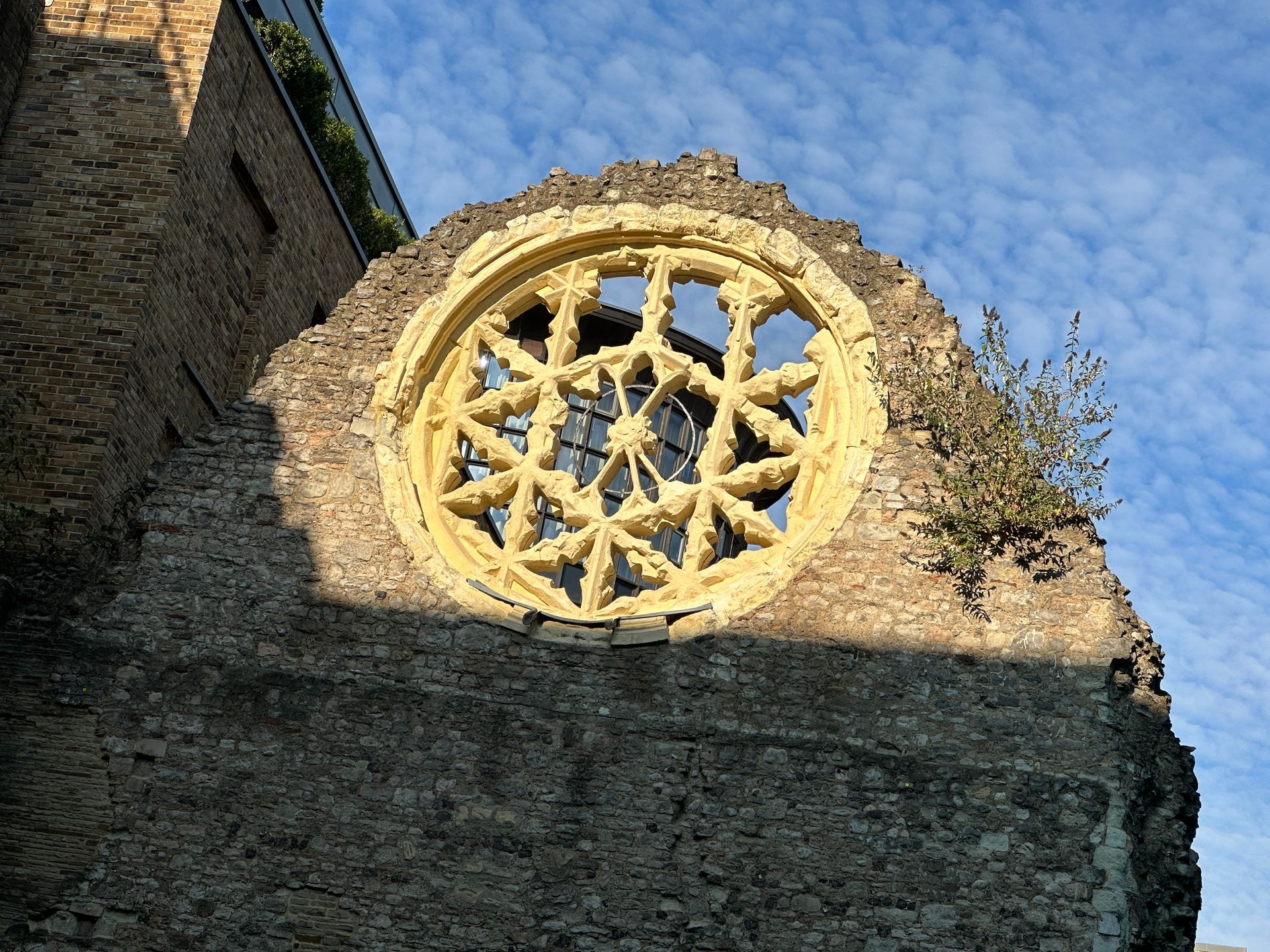
Discover Winchester Palace on Clink Street near Borough Market, its surviving medieval rose window and a small piece of London history to find on your visit.
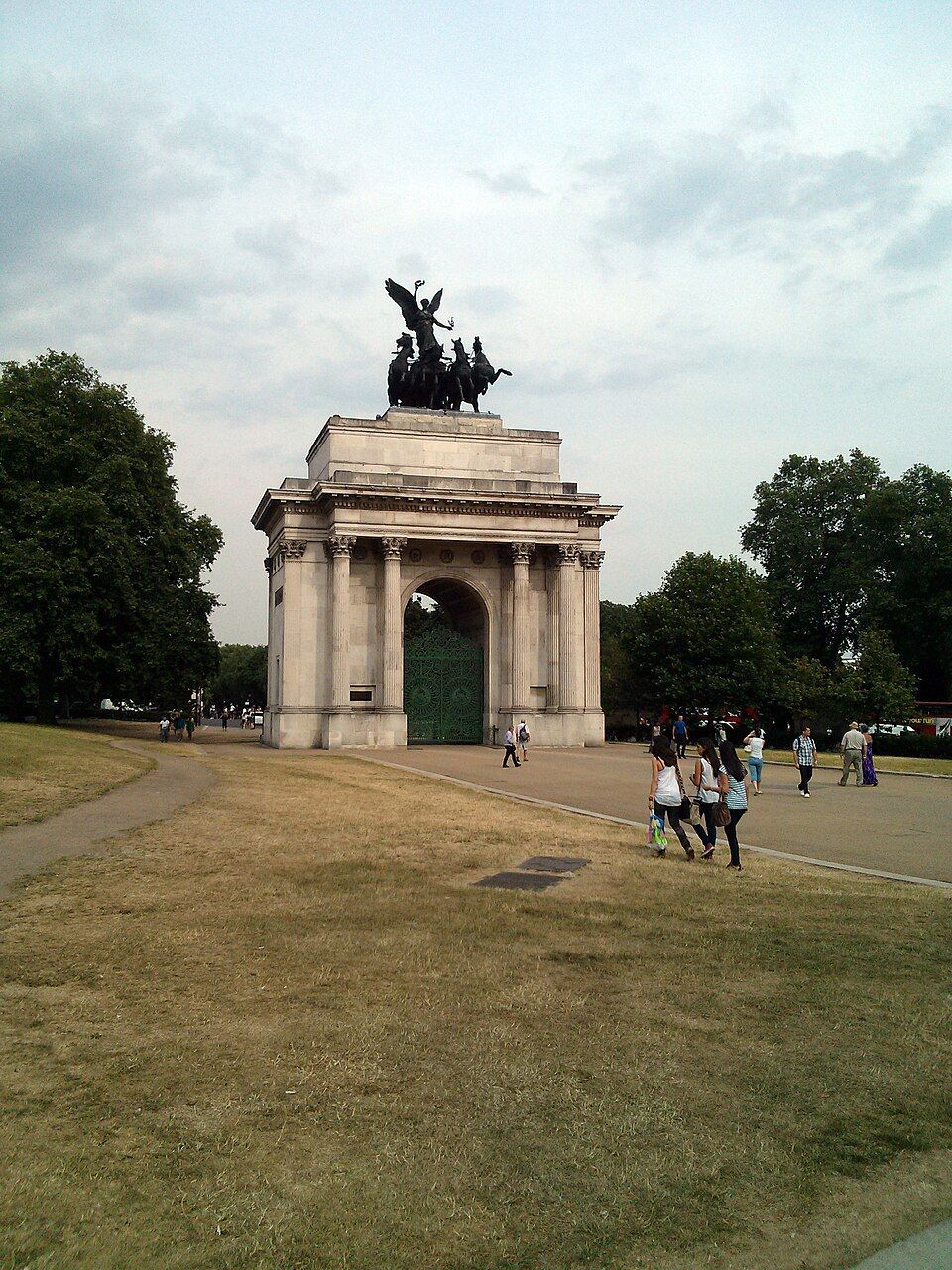
The rooms behind the stonework at Hyde Park Corner
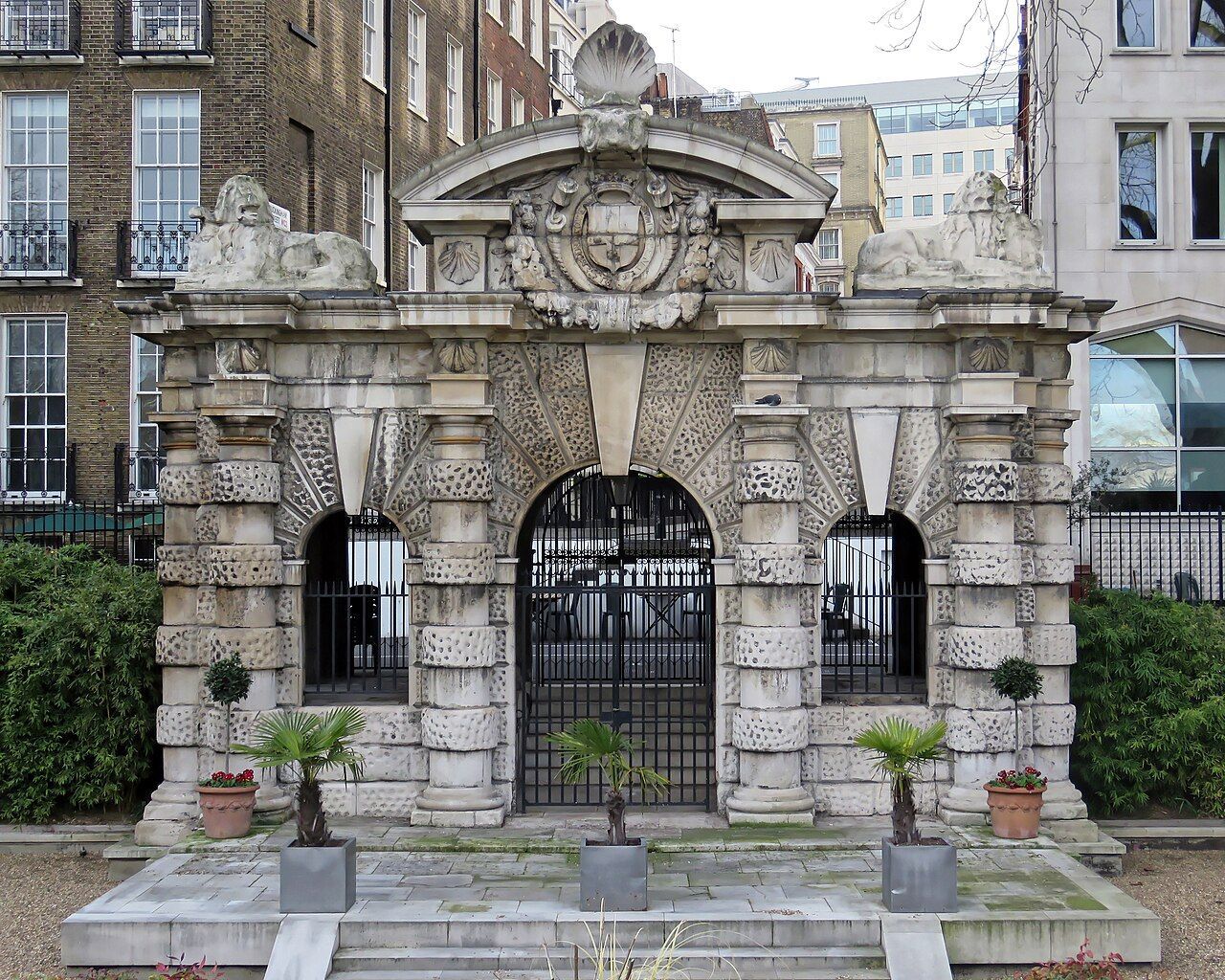
The river steps left high and dry
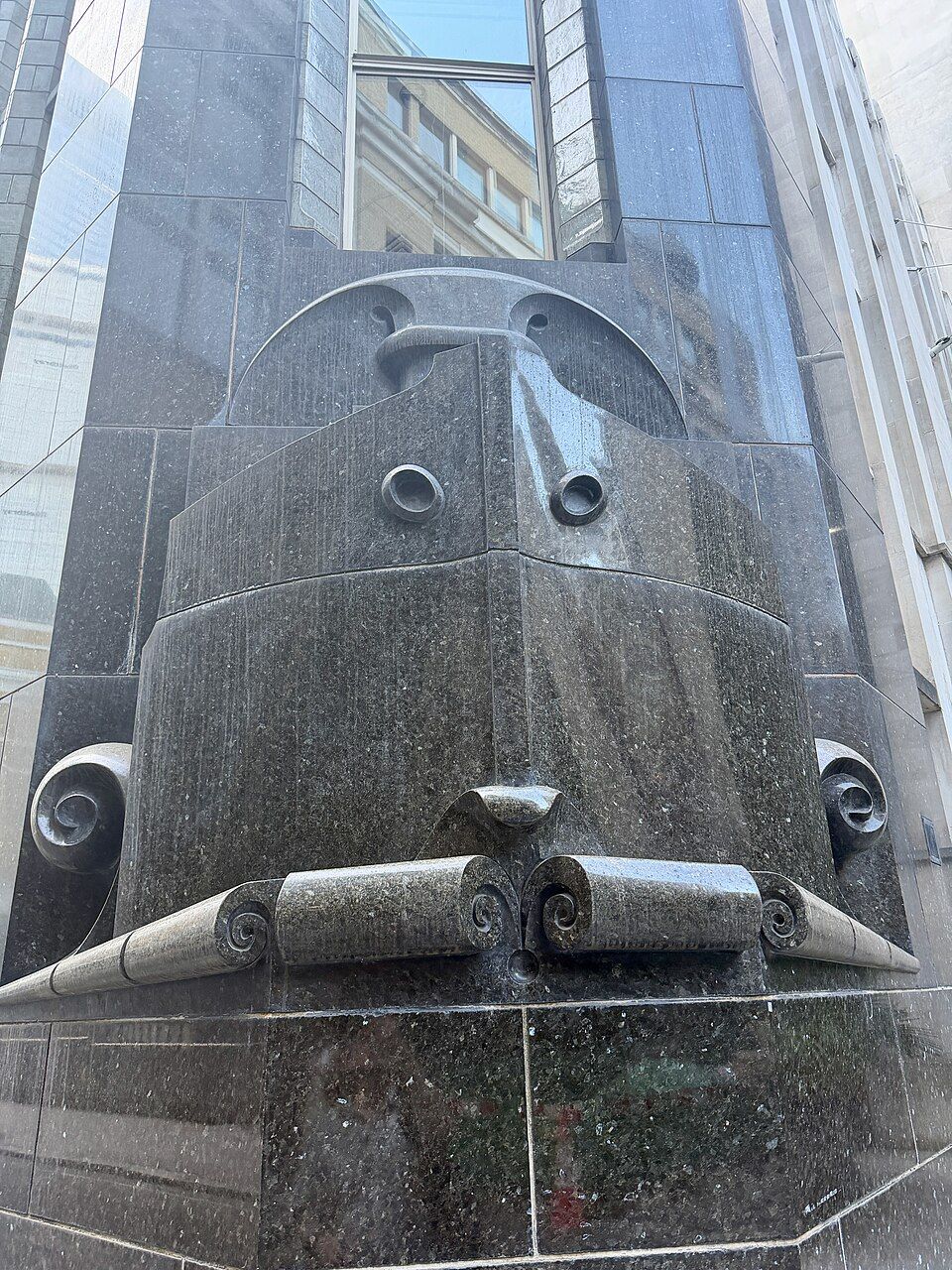
A ship’s prow in the City of London
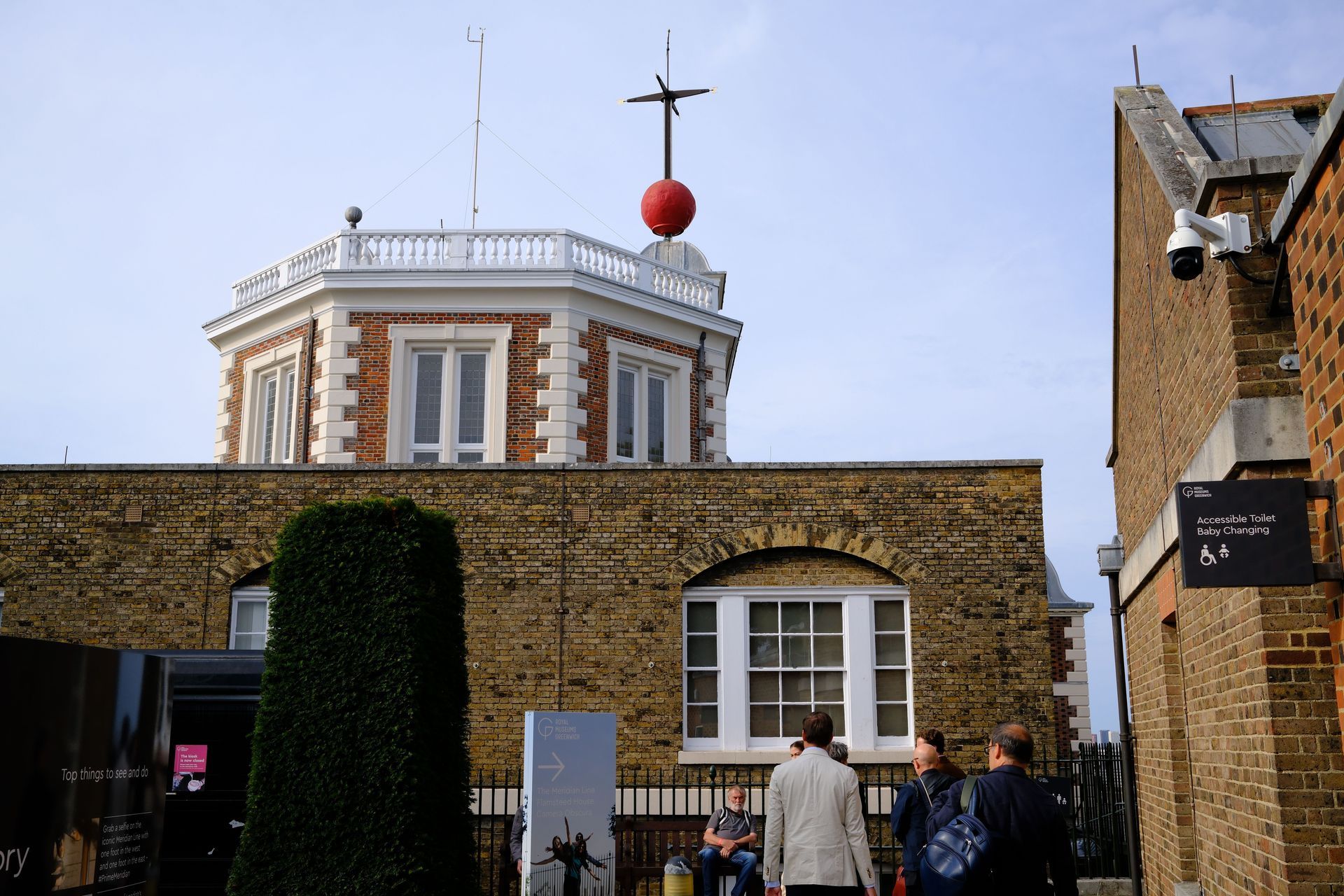
Look up at the Royal Observatory from Greenwich Park and you’ll see a red ball on a mast. At one o’clock it drops. If you were setting a ship’s chronometer in the nineteenth century, that was the moment you were waiting for. The Time Ball first operated in 1833. Ships on the Thames could use the visible signal to check their clocks. Accurate time mattered at sea because navigators used it to work out their longitude. Watch the drop itself. The ball rises in advance, giving people time to get ready. Its fall marks the hour. Royal Museums Greenwich says the ball still drops at 1 pm local time, which means GMT in winter and British Summer Time in summer. There’s plenty to look at from the hill, but for once the smallest thing in the view is the one worth watching. Gordon Thom, London black cab driver and City of London Guide
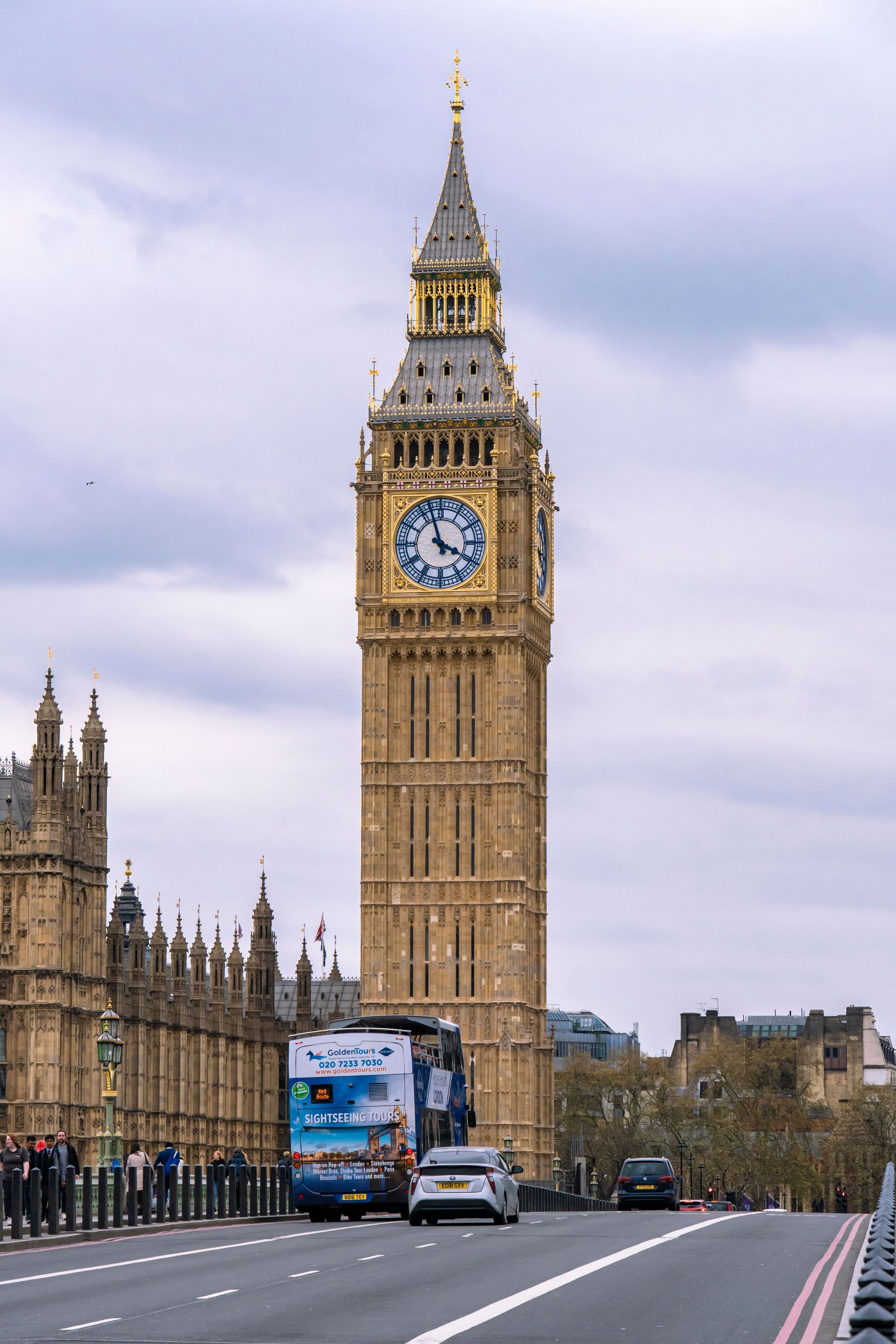
If you ask me to drop you at Big Ben, I know exactly where you mean. But the landmark you can see from the cab and the thing that bears the nickname are two different things. Big Ben is the Great Bell inside the Elizabeth Tower at the Palace of Westminster. The clock faces tell you the time. The Great Bell sounds the hour, while smaller bells sound the quarters. Walk onto Westminster Bridge and look back at the clock face. Then, if you’re there on the hour, listen. You can see the tower from halfway across the river, but the part called Big Ben is the one you hear. Gordon Thom, London black cab driver and City of London Guide