When Green Meant Slow Down: London’s First Traffic Lights

Gordon Thom • November 28, 2026

If you’d been driving a cab outside Parliament in 1868 and the light turned green, you were supposed to slow down. Mind you, you’d also have been holding the reins.

London’s first traffic signals appeared outside the Houses of Parliament in December that year. They borrowed from the railways: semaphore arms gave instructions during daylight, while red and green gas lamps did the job after dark. A policeman operated the apparatus.

The green light had a different meaning from the one we expect today. A newspaper report published at the time explained that it warned pedestrians to take care and reminded drivers and riders to reduce their speed. Red stopped the traffic. You can read the contemporary account in The Express, reproduced by Victorian London.

That is what makes this story worth a pause. Horse-drawn London already had a problem familiar to anyone trying to cross a busy junction: people on foot needed a safe turn.

The experiment also came with a danger that modern traffic lights have thankfully lost. The gas supply caused an explosion in January 1869, injuring the policeman operating the signal. The National Motor Museum records the accident.

If you’re visiting London from America, this is an easy detail to add to your Westminster sightseeing. After photographing the Elizabeth Tower and the Houses of Parliament, look for the green plaque to John Peake Knight at 12 Bridge Street, near Parliament Street. It commemorates the man behind the traffic-light scheme.

The original signal has gone. The plaque gives you something small to look for beside one of London’s biggest sights.

That is often how I like to show people London. Get the famous photograph, then turn around and find the detail that tells you how the city worked.

Explore my private London Taxi Tour, and tell me if transport history and the stories behind familiar landmarks are your sort of London.

Gordon Thom, London black cab driver and City of London Guide

John Peake Knight’s green commemorative plaque on Bridge Street, Westminster

Photo: Spudgun67, 21 April 2021, via Wikimedia Commons. CC BY-SA 4.0. Display resized, uncropped.

London Taxi Tour (LondonTaxiTour.Com)
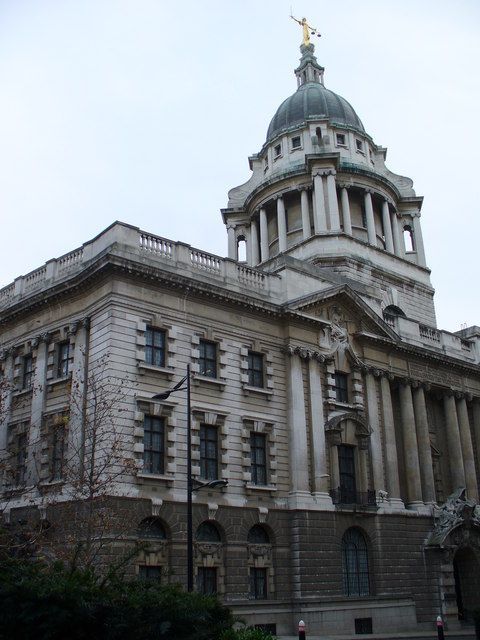
The later Old Bailey building in London, on the site of the court that heard the 1857 gold robbery trial
By Gordon Thom • November 27, 2026
Follow London’s Great Gold Robbery of 1855, from sealed boxes at London Bridge to lead shot in Paris and a trial at the Old Bailey, with an American connection.
The later Central Criminal Court building on Old Bailey, photographed in 2008
By Gordon Thom • November 26, 2026
Discover the 1877 Trial of the Detectives at London’s Old Bailey, when four Scotland Yard officers stood accused, and find the story behind the court.
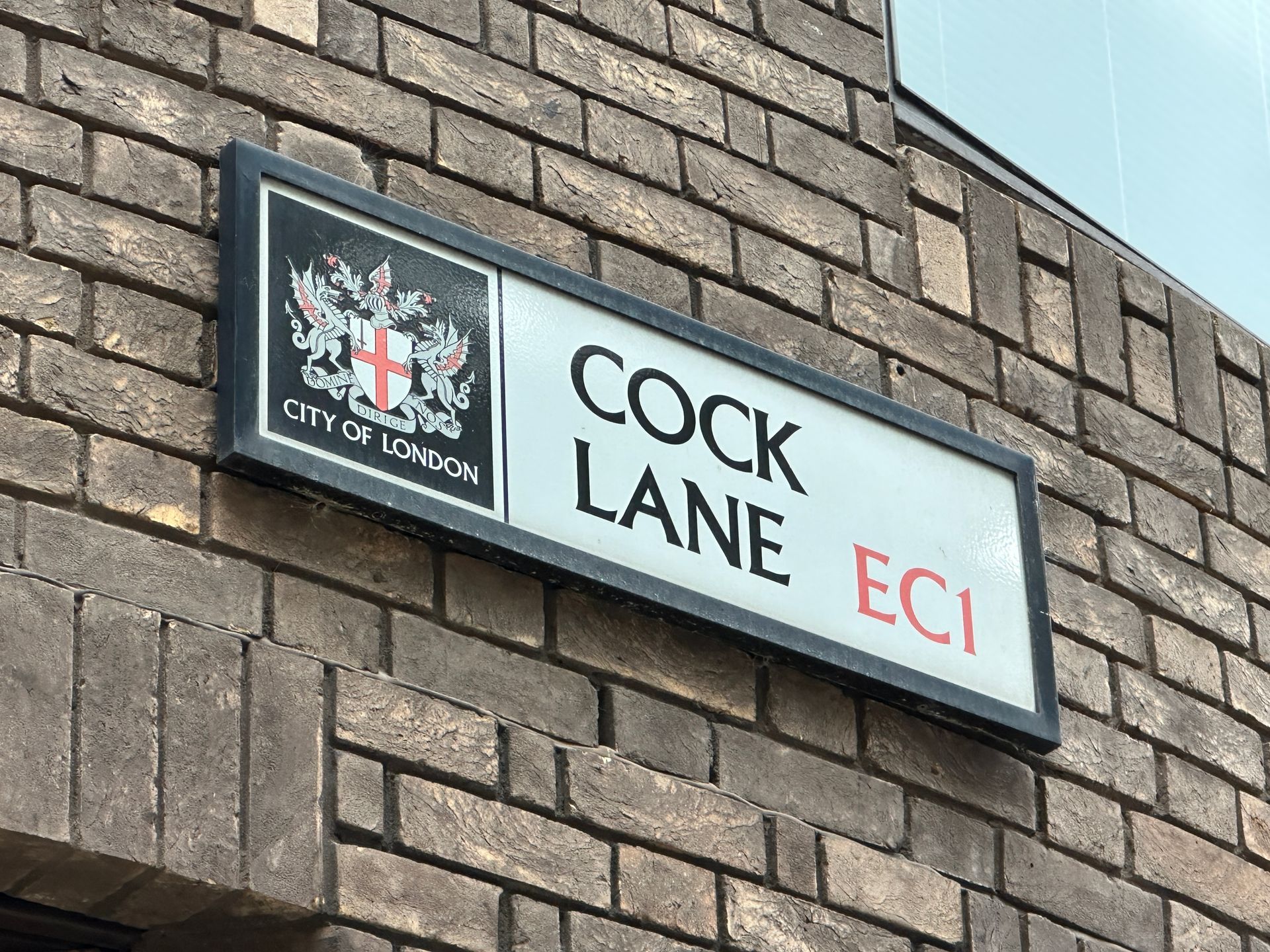
The Cock Lane street sign in the City of London
By Gordon Thom • November 25, 2026
Discover the medieval proclamation that named London’s Cock Lane in 1393, and a small street near Smithfield with a revealing story behind its sign.
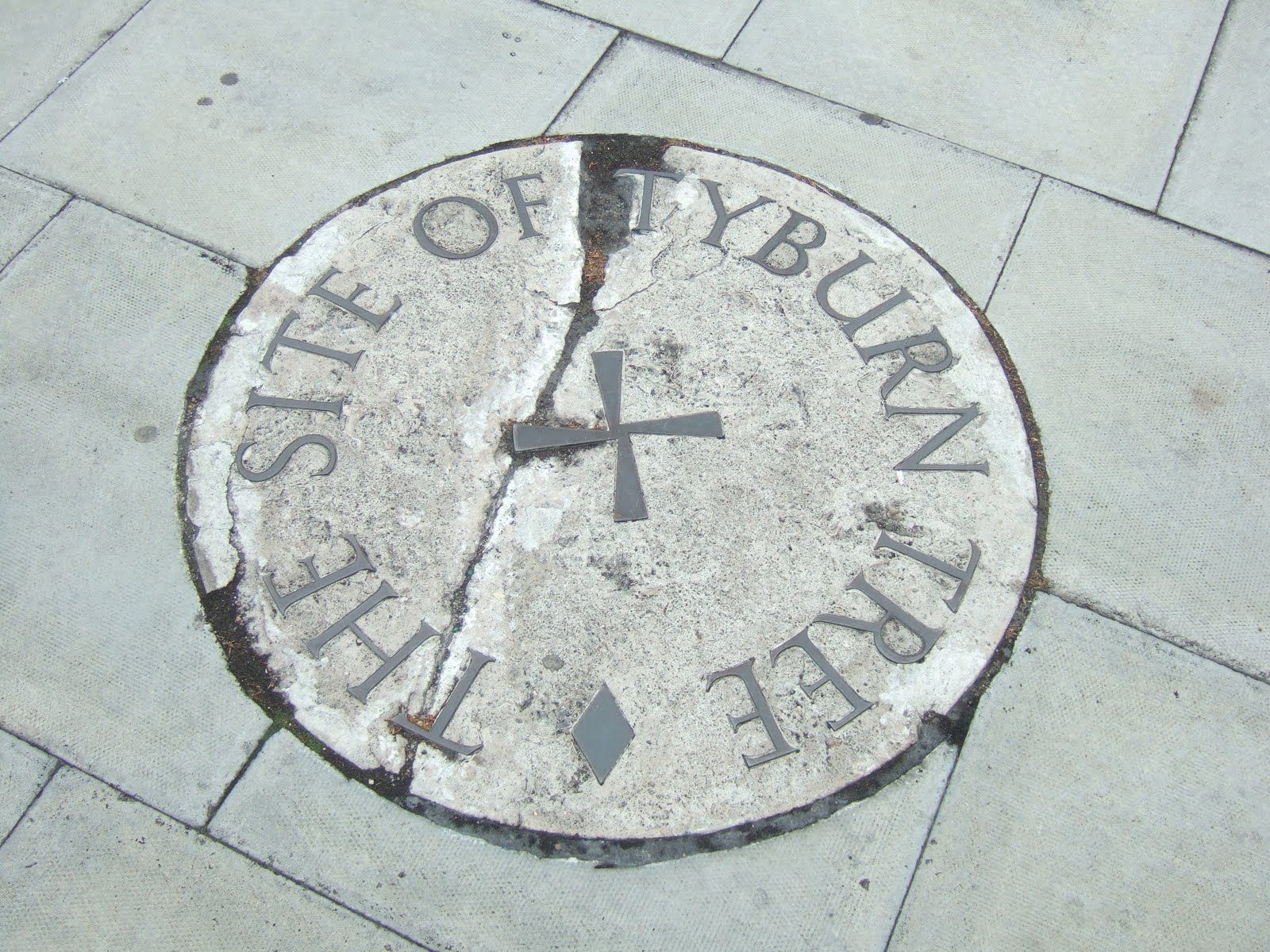
The circular stone plaque marking the site of Tyburn Tree near Marble Arch
By Gordon Thom • November 24, 2026
Find the Tyburn Tree plaque near Marble Arch and discover the darker history beneath a London traffic island, beside Oxford Street and Hyde Park.
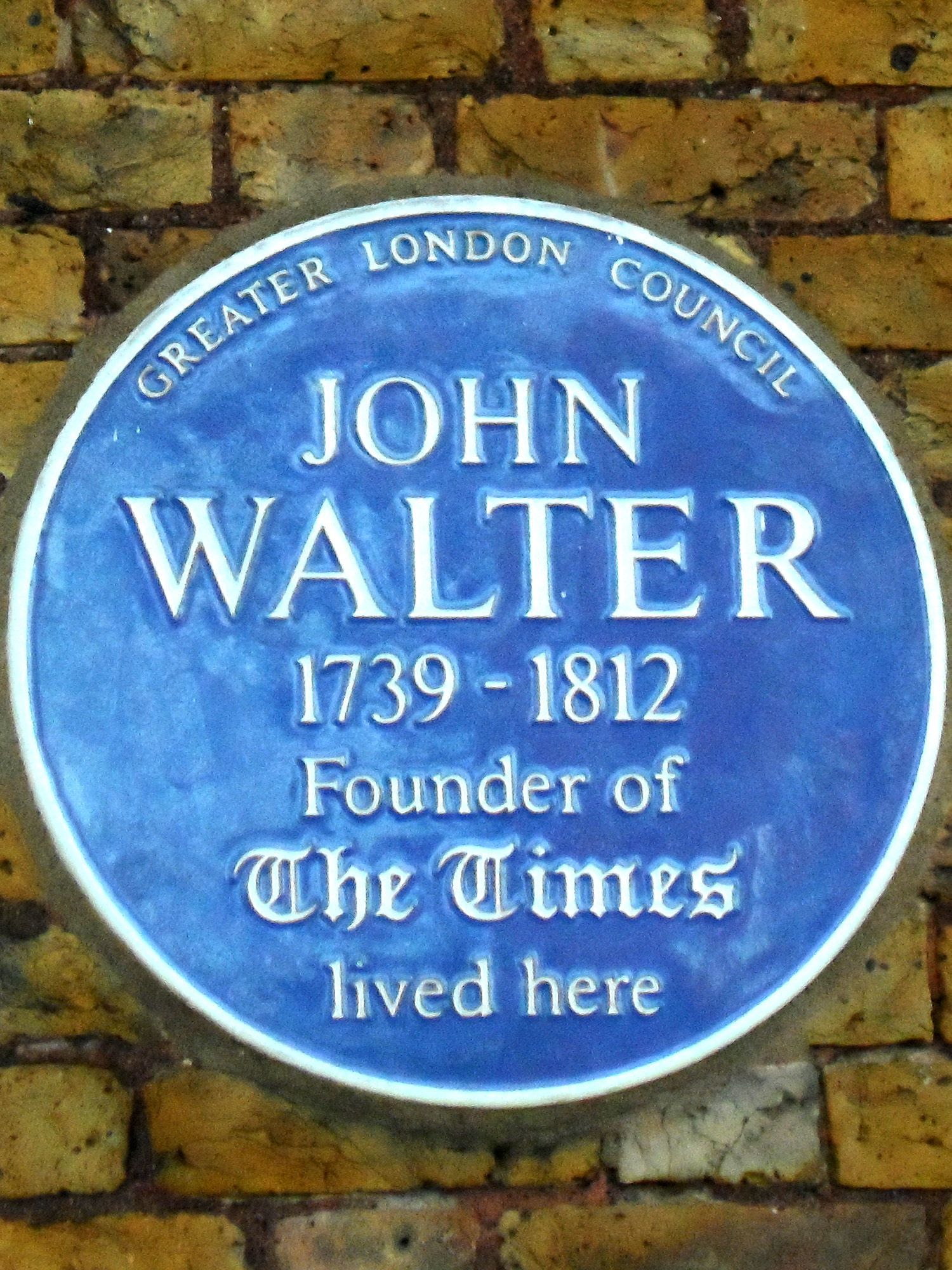
John Walter blue plaque at 113 Clapham Common North Side, showing the lettering of The Times
By Gordon Thom • November 23, 2026
Find John Walter’s blue plaque in Clapham and discover the newspaper history hidden in its lettering, with a small London detail to spot on your visit.
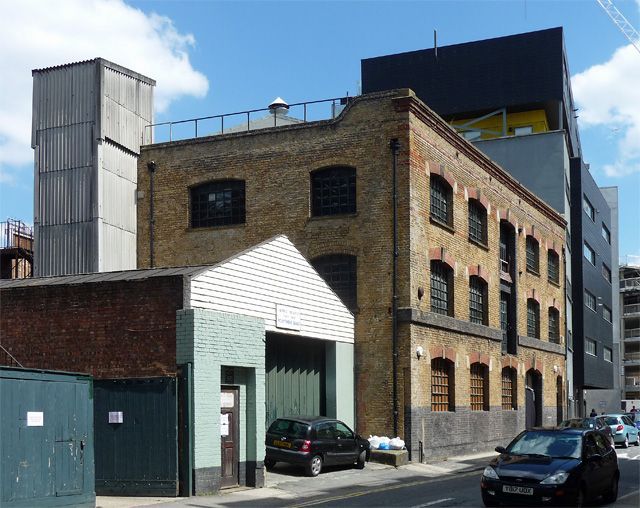
Victorian commercial buildings at 45–49 Tanner Street, Bermondsey, photographed in 2013
By Gordon Thom • November 22, 2026
Explore Bermondsey’s vinegar-making past, the surviving Sarson’s factory buildings and the London streets once filled with the sharp smell of malt vinegar.
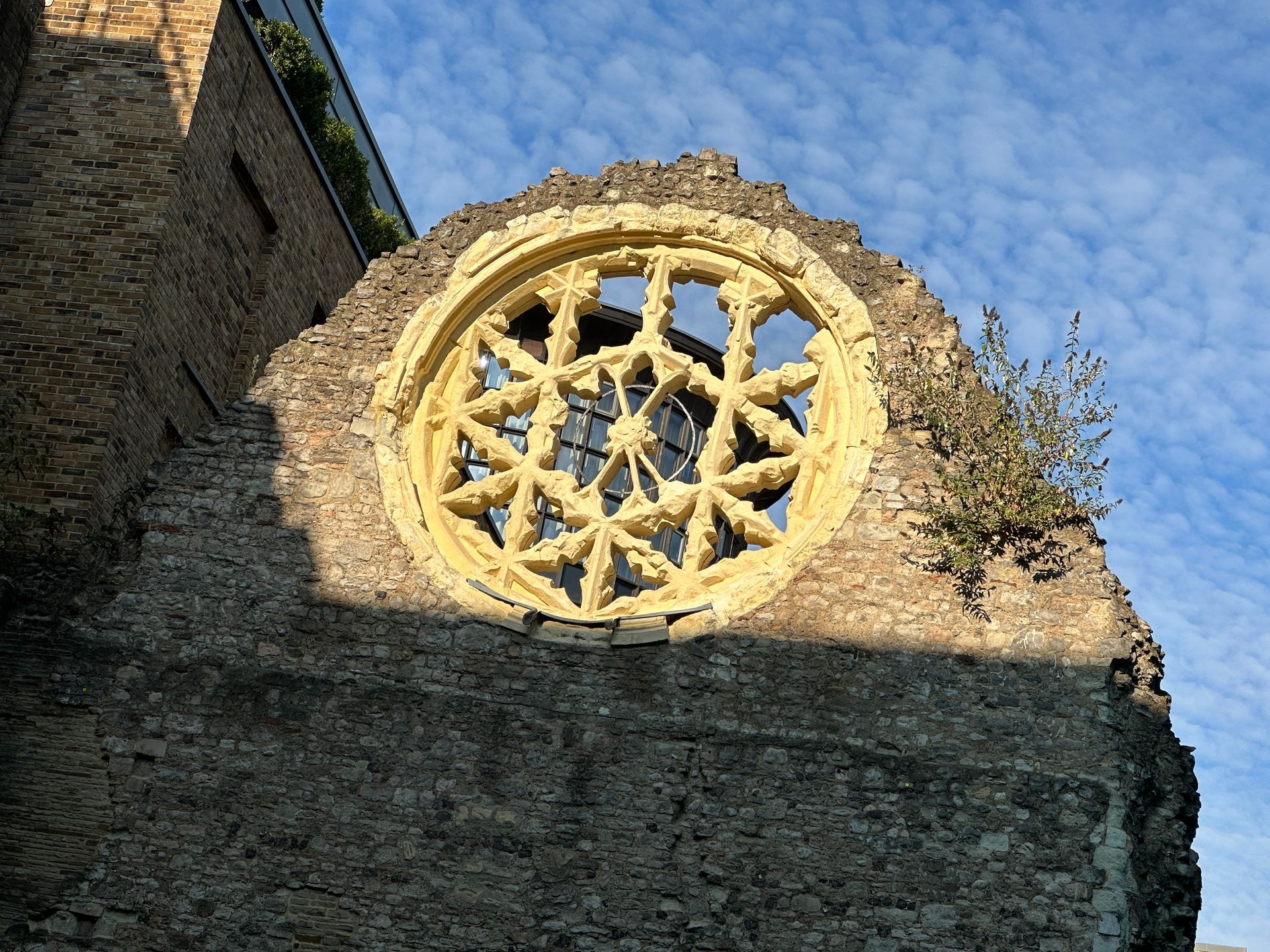
The surviving rose window and stone wall of Winchester Palace on Clink Street, Southwark
By Gordon Thom • November 21, 2026
Discover Winchester Palace on Clink Street near Borough Market, its surviving medieval rose window and a small piece of London history to find on your visit.
By Gordon Thom • November 16, 2026
The rooms behind the stonework at Hyde Park Corner
By Gordon Thom • November 15, 2026
The river steps left high and dry
By Gordon Thom • November 14, 2026
A ship’s prow in the City of London