The Great Gold Robbery of 1855: London’s Gold Turned to Lead

Three boxes of gold left London for Paris in May 1855. When they reached Boulogne, one was forty pounds lighter than expected. The boxes appeared undisturbed.
By the time the contents were examined in Paris, the mystery had become a robbery. The gold had been replaced with lead shot.
The journey began at London Bridge station on the night of 15 May. The boxes were carried in iron travelling safes with two locks. They travelled by railway and cross-channel steamer, through Folkestone and Boulogne, towards Paris.
The missing cargo included gold bars and coins. There is a detail for my American visitors here: British Transport Police records American ten-dollar pieces among the stolen money.
The thieves had inside help. The National Railway Museum describes how access to the safe keys and cooperation from railway employees allowed the gang to replace the gold and reseal the boxes during the journey.
It took more than a year for the case to unravel. Fanny Kay and Edward Agar helped expose the other men. In January 1857, William Pierce, James Burgess and William Tester appeared at the Old Bailey.
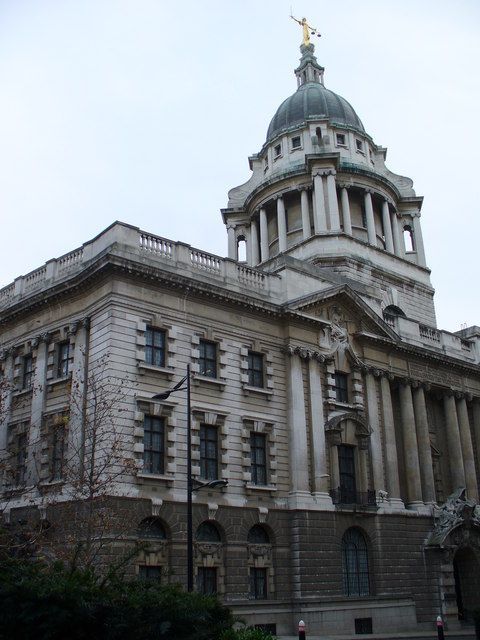
I like this story because it joins up places visitors often see separately. London Bridge gives you the departure point. The Old Bailey gives you the court where the case came to trial. Between them lies a story about transport, security and people who knew how the system worked.
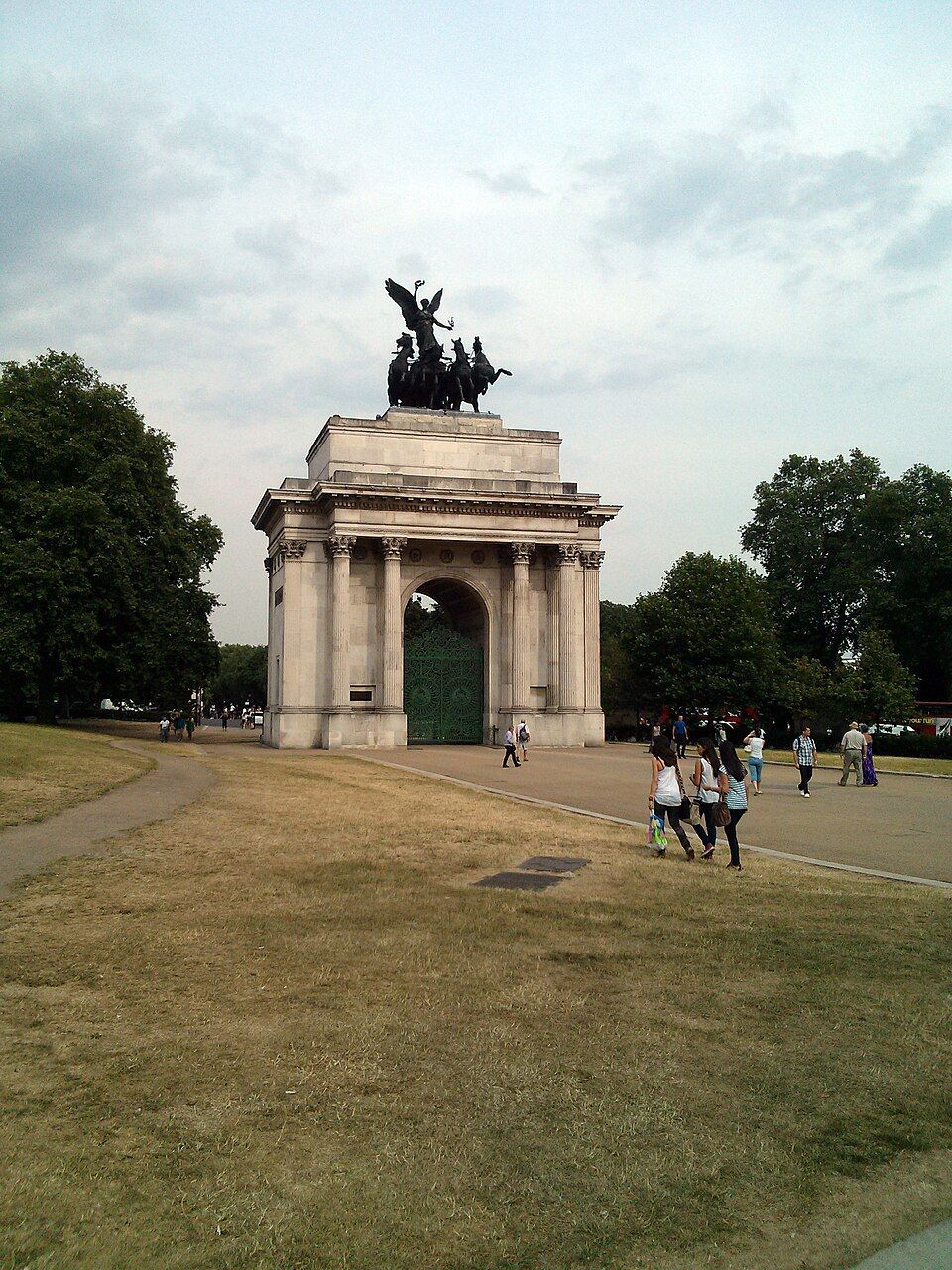
The photograph shows the later Old Bailey building, completed in 1907. It helps place the story on a modern London map, while the trial itself took place in its predecessor.
Explore my private London Taxi Tour and tell me if railway history and forgotten crimes are your sort of London.
Sources: British Transport Police, The Great Gold Robbery and National Railway Museum.

Colin Smith / Central Criminal Court, 5 January 2008, via Geograph/Wikimedia Commons. CC BY-SA 2.0. Display resized. This building postdates the 1857 trial.

London Taxi Tour (LondonTaxiTour.Com)